
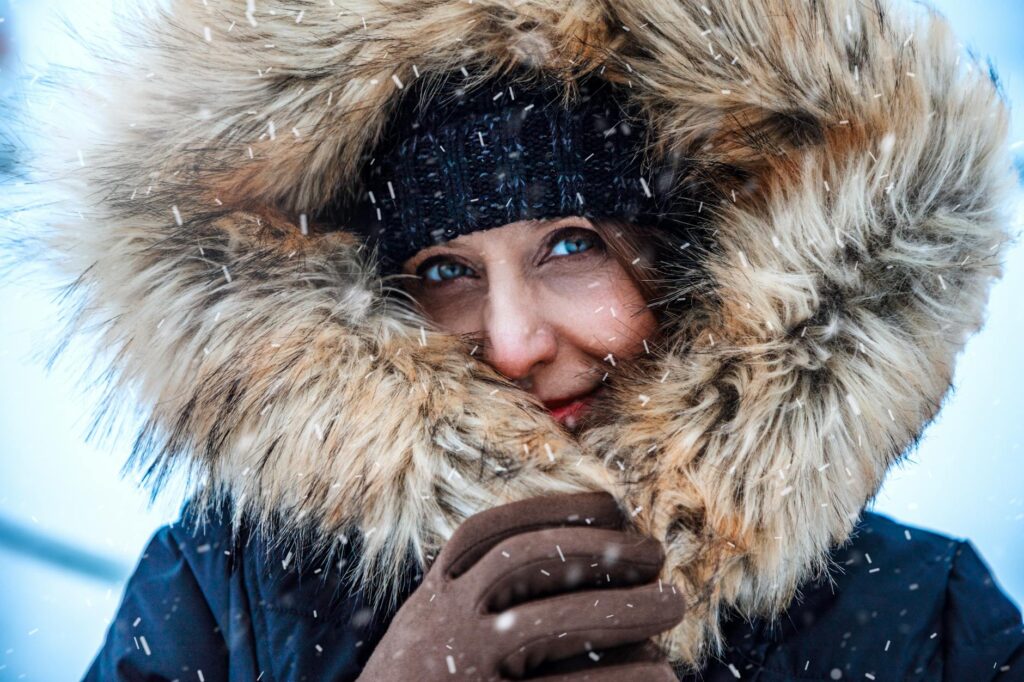
Winter Layering Tips for Women: Stay Stylish & Warm
Mastering winter layering tips for women isn’t just about staying warm; it’s about creating chic, versatile outfits that adapt to changing temperatures. Discover how to combine pieces for maximum style and comfort, ensuring you look as good as you feel all season long. This guide will help you build a functional yet fashionable winter wardrobe, moving beyond just bulky sweaters to create sophisticated looks.
Featured Snippet Answer: Effective winter layering for women involves a strategic combination of three main types of clothing: a moisture-wicking base layer, an insulating mid-layer, and a protective outer layer. By choosing the right fabrics like merino wool or fleece for warmth and breathability, and considering texture and silhouette, you can create stylish and comfortable outfits that combat the cold without adding unnecessary bulk.
Table of Contents
- What is Winter Layering and Why Does it Matter?
- What’s the Best Base Layer for Winter?
- How to Choose the Perfect Mid-Layer for Warmth?
- Selecting the Right Outerwear for Your Layers
- Playing with Fabric and Texture in Winter Layers
- Essential Accessories for Completing Your Winter Layers
- Real-World Winter Layering Examples
- Common Winter Layering Mistakes to Avoid
What is Winter Layering and Why Does it Matter?
Winter layering is a technique of wearing multiple thin garments instead of one thick one to regulate body temperature. This method is crucial for women because it allows for adaptability in fluctuating indoor and outdoor temperatures, preventing overheating and chills. Think of it as building an outfit from the inside out, with each piece serving a specific purpose in trapping heat and managing moisture.
This approach is far more effective than a single bulky item. For instance, a thin merino wool base layer, a fleece mid-layer, and a windproof jacket will keep you significantly warmer and more comfortable than just one very thick, non-breathable coat. The air trapped between the layers acts as an insulator. My own experience in the unpredictable climate of Modesto, where winter mornings can be crisp and afternoons surprisingly mild, taught me the value of this adaptability.
[IMAGE alt=”Woman demonstrating effective winter layering with multiple clothing items” caption=”Strategic layering ensures comfort and style in cold weather.”]
What’s the Best Base Layer for Winter?
The foundation of any successful winter layering system is the base layer. Its primary job is to wick sweat away from your skin to keep you dry, and then to provide a first line of defense against the cold. For women seeking comfort and warmth, opting for materials like fine-gauge merino wool, silk, or performance synthetics is key. These materials offer excellent insulation without adding bulk.
Consider thermal leggings and long-sleeved tops as your go-to base layers. Brands like Patagonia offer high-quality merino wool base layers known for their warmth and odor resistance. A simple black or neutral-colored base layer set can be worn under almost any outfit, making it incredibly versatile.
🎬 Related Video
📹 winter layering tips for women — Watch on YouTube
How to Choose the Perfect Mid-Layer for Warmth?
The mid-layer is where you add significant warmth to your outfit. This layer sits between your base layer and your outer shell, acting as an insulator. Common and effective mid-layers include fleece jackets, down vests, cashmere sweaters, and chunky knit cardigans. The goal here is to trap body heat effectively.
For a sleek look that avoids bulk, consider thinner, high-performance materials. A fitted fleece zip-up or a fine-gauge merino wool sweater works beautifully under a jacket. If you’re aiming for a more relaxed vibe or need extra warmth, a chunky knit cardigan or a puffer vest can be fantastic. The key is to ensure this layer isn’t too tight, allowing for air to be trapped.
The average person loses about 10% of their body heat through their head in cold weather, but this can increase to 50% in extreme conditions. Ensuring your neck and upper body are well-covered with your mid-layers is vital. (Source: National Weather Service)
Selecting the Right Outerwear for Your Layers
Your outerwear is the final defense against the elements. It needs to protect you from wind, rain, or snow while ideally allowing your inner layers to breathe. The type of outerwear you choose will depend heavily on the climate and your activity level. For milder winter days, a stylish wool coat or a trench coat might suffice.
For harsher conditions, a waterproof and windproof jacket or parka is essential. Look for features like sealed seams, adjustable hoods, and a breathable membrane. Brands like The North Face offer a range of insulated and waterproof jackets suitable for various winter activities. The beauty of a well-chosen outer layer is that it can be removed when you go indoors, allowing your layered outfit to still look complete and stylish.
Playing with Fabric and Texture in Winter Layers
Beyond the type of garment, the materials and textures you choose significantly impact both warmth and style. Mixing textures adds visual interest and depth to your layered outfits. Think about combining a smooth silk base layer with a chunky cable-knit sweater and a sleek leather or faux leather jacket.
This variety prevents your outfit from looking flat or monotonous. Consider the benefits of different fabrics: wool provides excellent warmth, fleece is soft and insulating, down offers superior loft and warmth-to-weight ratio, and synthetics can be durable and water-resistant. Experimenting with these elements is where personal style truly shines.
| Layer Type | Primary Function | Recommended Fabrics | Style Considerations |
|---|---|---|---|
| Base Layer | Moisture Wicking, Initial Warmth | Merino Wool, Silk, Polyester | Fitted, Smooth |
| Mid Layer | Insulation, Heat Retention | Fleece, Down, Cashmere, Wool | Varies (fitted sweater to relaxed cardigan) |
| Outer Layer | Protection from Elements | Waterproof/Windproof Synthetics, Wool | Can be structured or relaxed |
Essential Accessories for Completing Your Winter Layers
Accessories are not just afterthoughts; they are vital components of effective winter layering. A warm hat, like a beanie or a stylish fedora, prevents heat loss from your head. Cozy scarves, especially those made of wool or cashmere, protect your neck and chest from drafts. Gloves or mittens are essential for keeping your hands warm, as extremities are often the first to feel the cold.
Don’t forget warm socks! Wool or thermal blend socks are a major shift for keeping your feet comfortable. Even the best layered outfit can be ruined by cold feet. Consider layering your accessories too – perhaps a thin liner glove inside a warmer mitten for extreme cold.
Real-World Winter Layering Examples
Let’s look at how to apply these winter layering tips for women in practical scenarios. For a casual day running errands in Modesto, you might start with a comfortable cotton-blend long-sleeve tee (base), layer a soft fleece vest over it (mid), and finish with a stylish puffer jacket and jeans. Add a knitted beanie and a chunky scarf.
For a slightly dressier occasion, like a winter brunch, try a silk camisole (base), a fine-gauge merino wool turtleneck sweater (mid), and a tailored wool coat. Pair with tailored trousers or a midi skirt, opaque tights, and elegant ankle boots. Accessorize with a delicate scarf and perhaps some fine jewelry to add a touch of sparkle.
- Adaptability to changing temperatures.
- Enhanced warmth without excessive bulk.
- Increased outfit versatility.
- Allows for personal style expression through varied textures and colors.
- Improved comfort by managing moisture and heat.
- Can be challenging to get right initially.
- Requires thoughtful outfit planning.
- May involve a higher initial investment in quality pieces.
Common Winter Layering Mistakes to Avoid
One of the most frequent mistakes women make with winter layering is choosing the wrong fabrics, particularly relying too heavily on cotton for base layers. Another common error is wearing only one very thick layer instead of multiple thinner ones. This hinders your ability to adjust to temperature changes.
Over-layering indoors can lead to discomfort and overheating, making you feel sticky and tired. The trick is to layer strategically so you can easily shed a layer when needed. Finally, forgetting accessories like hats and gloves can leave you feeling surprisingly cold, even if your core is warm. My experience suggests that focusing on the ‘system’ rather than just one piece is key.
[IMAGE alt=”Close-up of various winter fabric textures for layering” caption=”Mixing textures like wool, fleece, and knit adds depth to winter outfits.”]
Frequently Asked Questions
What is the most important layer for winter warmth?
The most important layer for winter warmth is generally considered the mid-layer. While the base layer wicks moisture and the outer layer protects from elements, the mid-layer is primarily responsible for trapping your body heat and providing significant insulation. Choosing a well-insulated fleece, down vest, or warm sweater is crucial for staying cozy.
Can I layer without looking bulky?
Yes, you can absolutely layer without looking bulky by choosing thin, high-performance fabrics for your base and mid-layers. Opt for fitted pieces made of materials like merino wool, cashmere, or technical synthetics. Avoid overly loose or thick items that add unnecessary volume, and ensure your outer layer is well-fitting.
How many layers are ideal for winter?
The ideal number of layers for winter typically ranges from two to four, depending on the temperature and your activity level. A common setup includes a base layer, a mid-layer, and an outer shell. For very cold conditions or low activity, adding another thin insulating layer or a thicker mid-layer can be beneficial.
What are good materials for winter base layers?
Excellent materials for winter base layers include merino wool, silk, and synthetic fabrics like polyester or polypropylene. Merino wool is highly recommended for its warmth, breathability, and odor-resistance. Silk offers a luxurious feel and good insulation, while synthetics are durable, quick-drying, and often more affordable.
How do I layer for different winter activities?
Layering for different winter activities involves adjusting the warmth and breathability of your garments. For high-intensity activities like skiing or hiking, prioritize moisture-wicking base layers and breathable mid-layers to manage sweat. For low-intensity activities like ice skating or watching an outdoor game, focus on maximum insulation with thicker mid-layers and windproof outer shells.
Master Your Winter Wardrobe with Smart Layering
Implementing these winter layering tips for women transforms your approach to cold-weather dressing. By understanding the role of each layer, choosing appropriate fabrics, and paying attention to texture and accessories, you can create outfits that are not only incredibly warm but also stylish and sophisticated. Don’t let the cold weather dictate your fashion choices; embrace the art of layering to look and feel your best all season long. Start building your perfect layered wardrobe today!