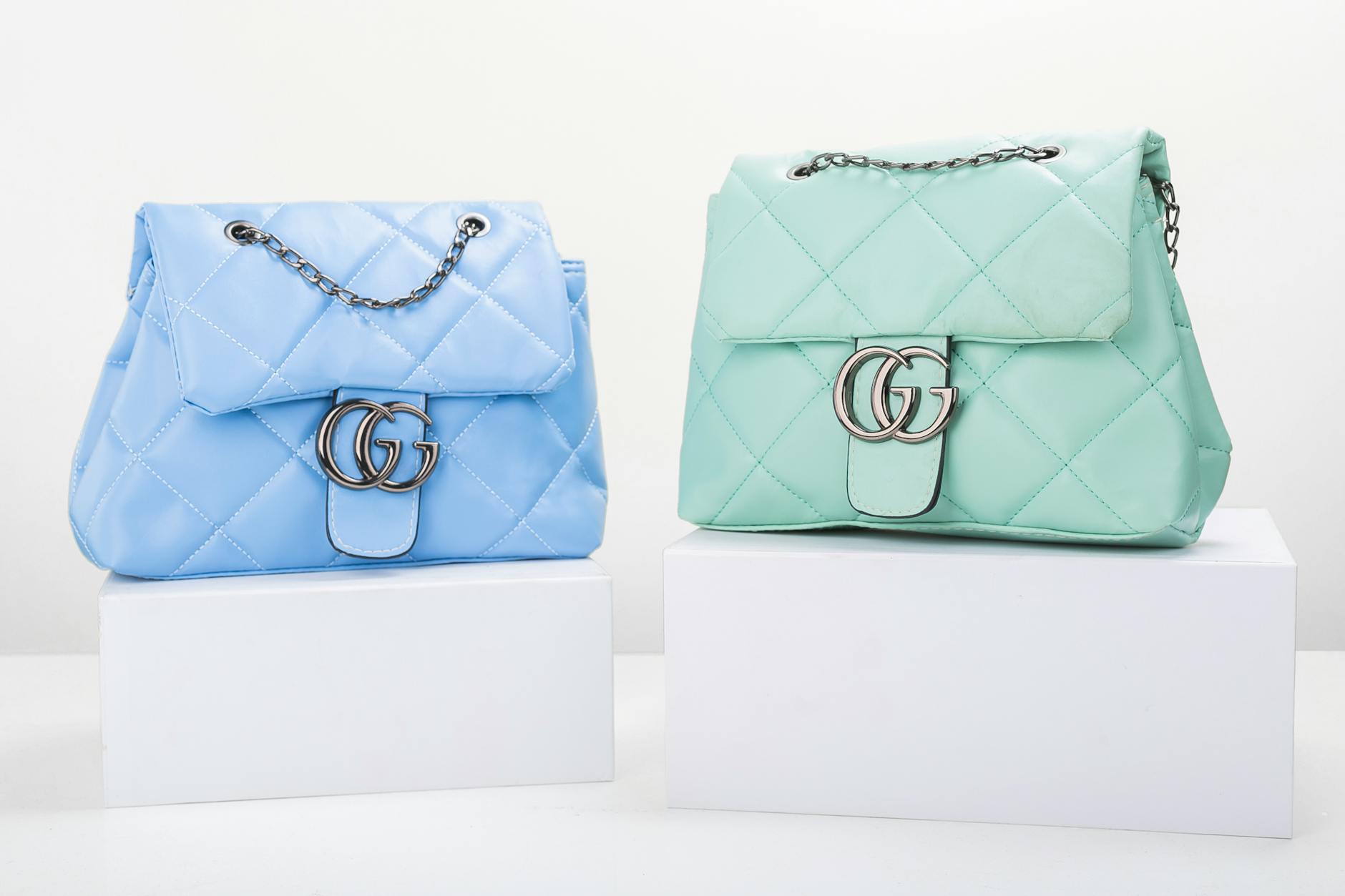
The Best Designer Handbags Worth the Investment: A Smart Style Decision
Feeling the pang of regret after a high-fashion splurge? You’re not alone. Many women dream of owning a designer handbag, but the hefty price tag often leads to buyer’s remorse, especially if the bag ends up gathering dust. The secret to avoiding this is understanding which luxury handbags are genuinely worth the investment, offering enduring style and potential financial appreciation.
This guide will help you Handle the world of high-end accessories, focusing on pieces that are more than just status symbols. they’re tangible assets. We’ll explore why certain bags hold their value, what factors contribute to their desirability, and how to identify those rare finds that can even increase in worth over time.
What Makes a Designer Handbag Worth the Investment?
A designer handbag is considered a worthy investment when its value remains stable or increases over time, driven by a combination of factors. This appreciation is often linked to brand prestige, iconic design, limited production, exceptional craftsmanship, and consistent demand in the resale market.
The core appeal lies in their ability to transcend fleeting trends. These aren’t just accessories. they’re heirlooms. Unlike fast fashion — which depreciates rapidly, a well-chosen investment handbag can be enjoyed for decades and potentially sold for a significant portion of its original price, sometimes even more.
Which Iconic Designer Handbags Hold Their Value Best?
Certain designer handbags have achieved legendary status, making them highly sought after by collectors and fashion enthusiasts alike. Their consistent desirability ensures they remain in demand, even years after their initial release. Here are the titans of the investment handbag world.
The Hermès Birkin and Kelly bags are often cited as the pinnacle of handbag investments. Their extreme exclusivity, meticulous craftsmanship, and the brand’s stringent control over supply mean that waiting lists can be years long, and resale values often exceed retail prices. A well-maintained Birkin in a classic color and material can be a truly remarkable asset.
Similarly, the Chanel Classic Flap Bag, especially in caviar leather with gold or silver hardware, is a perennial favorite. Chanel has a history of significant price increases on its iconic pieces, making older models purchased at lower prices incredibly valuable. Its instantly recognizable design ensures its place in fashion history.
Then there’s the Louis Vuitton Speedy. While perhaps not appreciating in value like a Birkin, the Speedy, especially in the classic Monogram canvas, is incredibly durable and holds its value well in the resale market due to its enduring popularity and the brand’s strong recognition. It’s a more accessible entry point into the world of investment handbags.
Other strong contenders include the Lady Dior Bag, known for its elegant structure and association with Princess Diana, and the Fendi Baguette — which has seen a resurgence in popularity and collector interest.
Factors That Boost a Handbag’s Investment Potential
Beyond brand name alone, several concrete factors contribute to a handbag’s ability to be considered a valuable investment. Understanding these elements will empower your purchasing decisions.
1. Brand Reputation and Exclusivity: Brands like Hermès, Chanel, and Louis Vuitton have built decades of trust and desirability. Their commitment to quality and limited production creates inherent scarcity, a key driver of value.
2. Iconic Design and Silhouette: Bags with instantly recognizable, timeless designs are more likely to remain in vogue. Think of the Birkin’s structured shape or the Classic Flap’s quilting. Here are designs that don’t age.
3. Material and Craftsmanship: The quality of the leather (e.g., Hermès Togo or Epsom, Chanel caviar), the precision of the stitching, and the durability of the hardware all play a role. Handbags made with superior materials and expert techniques are built to last and are more appealing on the resale market.
4. Color and Hardware: Neutral colors (black, brown, beige, navy) and classic hardware finishes (gold or silver) generally have broader appeal and thus stronger resale value. More unique or seasonal colors might be fashionable but can limit the pool of potential buyers later.
5. Condition: This is Key. A bag in pristine or near-mint condition will command a higher price than one with visible wear and tear. Proper storage and care are really important for maintaining value.
6. Rarity and Limited Editions: Special editions, collaborations, or bags made in limited quantities can become highly collectible and valuable, especially if they’re unique and have a strong design narrative.
🎬 Related Video
📹 THE BEST designer bags to buy in 2026! YOU NEED TO SEE THESE — Watch on YouTube
The Problem of Depreciation: Which Bags Don’t Make the Cut?
Not all designer bags are created equal while beautiful and desirable at the moment, can depreciate quickly. These often fall into categories that prioritize a fleeting aesthetic over lasting quality or brand heritage.
Trendy, Logo-Heavy Designs: Bags that heavily rely on current micro-trends or feature very prominent, sometimes garish, logos can quickly look dated. As these trends fade, so does the desirability and value of the bag.
Fast Fashion Designer Collaborations: While exciting, collaborations with fast-fashion brands or those that are mass-produced can dilute the perceived exclusivity and long-term value of the designer name. Their value is often tied to the initial hype rather than sustained demand.
Less Durable Materials: Bags made from materials that are prone to scuffing, staining, or degradation, and which lack strong construction, are less likely to hold their value. For example, some softer, unlined suede or delicate exotic skins might require more expert care than the average owner can provide.
Over-Saturation: If a particular model becomes too widely available, its exclusivity diminishes, impacting its resale value. Here’s where brands with controlled distribution, like Hermès, excel.
Common Mistake: Buying a bag solely because it’s ‘on sale’ without considering its long-term appeal or investment potential. The best investment bags are often bought at retail, as their value is intrinsic to the brand and design, not a temporary discount.
How to Buy and Care for Investment Handbags
Acquiring and maintaining an investment handbag requires a thoughtful approach. It’s about making a smart purchase and then protecting your asset.
Buying Smart:
- Research: Understand the brands, models, materials, and market trends. Follow reputable resale sites like Vestiaire Collective or The RealReal to gauge current values.
- Authenticity: Always buy from authorized retailers or highly reputable pre-owned luxury dealers. Authentication services are Key for pre-owned purchases.
- Condition Check: For pre-owned, meticulously inspect photos and descriptions for any flaws. Ask for more photos if needed.
- Original Packaging: If possible, buy bags that come with original dust bags, boxes, receipts, and authenticity cards. These add to the perceived value and completeness.
Caring for Your Investment:
- Proper Storage: Store your bags upright in their dust bags, stuffed with acid-free paper or cushions to maintain their shape. Avoid direct sunlight and extreme temperatures.
- Leather Care: Use appropriate leather conditioners for the specific type of leather. Test products on an inconspicuous area first.
- Hardware Protection: Protect hardware from scratches. You can use protective film on clasps if desired, but remove it before use.
- Avoid Overfilling: Don’t overstuff your bag, as this can distort its shape and stress the handles or straps.
- Professional Cleaning: For significant issues or deep cleaning, consult a specialist in luxury handbag restoration.
When you invest in the best designer handbags worth the investment, you’re not just buying an accessory. you’re acquiring a piece of fashion history that can bring joy and value for years to come.
Comparing Investment Handbags: Key Features
| Handbag Model | Brand | Typical Retail Price (USD) | Resale Value Potential | Key Investment Factors | Pros | Cons |
|---|---|---|---|---|---|---|
| Birkin | Hermès | $8,000 – $15,000+ (base) | High (often exceeds retail) | Exclusivity, craftsmanship, demand | Exceptional value retention, heirloom quality | Extreme difficulty to acquire at retail, high initial cost |
| Kelly | Hermès | $7,000 – $12,000+ (base) | High (often exceeds retail) | Exclusivity, craftsmanship, iconic design | Elegant, versatile, strong resale | Difficult to acquire, can be less practical for daily use than Birkin |
| Classic Flap | Chanel | $8,000 – $10,000+ | High (strong appreciation) | Brand heritage, iconic design, consistent price increases | Timeless style, significant resale appreciation | Frequent price hikes, can be heavy |
| Speedy | Louis Vuitton | $1,000 – $2,000+ | Moderate to High (stable) | Brand recognition, durability, enduring popularity | Accessible entry point, very durable, iconic monogram | Doesn’t typically appreciate common |
| Lady Dior | Dior | $4,000 – $6,000+ | Moderate | Brand prestige, association with royalty, elegant design | Chic and sophisticated, good value retention | Can be less durable than others, niche appeal |
The luxury handbag market is showing resilience, with pre-owned sales expected to grow in the coming years, further solidifying the investment potential of iconic pieces. (Source: Bain & Company Luxury Report 2023)
Frequently Asked Questions
Are Chanel bags still a good investment?
Yes, Chanel bags, especially the Classic Flap and 2.55 models, are widely considered excellent investments. Chanel consistently raises its prices — which boosts the resale value of older bags, making them appreciate over time.
Can a Louis Vuitton Speedy increase in value?
While not typically appreciating like Hermès or Chanel, the Louis Vuitton Speedy is known for its excellent resale value retention. Its durability and timeless appeal mean it holds its price well, making it a stable, if not appreciating, investment.
what’s the number one investment handbag?
The Hermès Birkin is widely regarded as the number one investment handbag due to its unparalleled exclusivity, meticulous craftsmanship, and consistent demand that often drives resale prices above retail.
How do I authenticate a designer handbag for resale?
Authenticating involves examining details like serial numbers, stitching, hardware, leather quality, and logos. For critical sales, using a professional third-party authentication service is highly recommended to ensure buyer confidence and maximize sale price.
What are the risks of investing in designer handbags?
Risks include market fluctuations, damage to the bag reducing its value, the rise of counterfeits making authentication difficult, and changing consumer preferences. Buying from reputable sources and maintaining the bag are key to mitigating these risks.
Start Building Your Investment Handbag Collection
Investing in the best designer handbags worth the investment is a journey that combines personal style with financial acumen. By focusing on iconic brands, timeless designs, and impeccable quality, you can build a collection that not only looks fabulous but also holds its value, potentially even growing over time. Start your research, make informed choices, and enjoy the enduring luxury of these exceptional pieces.