
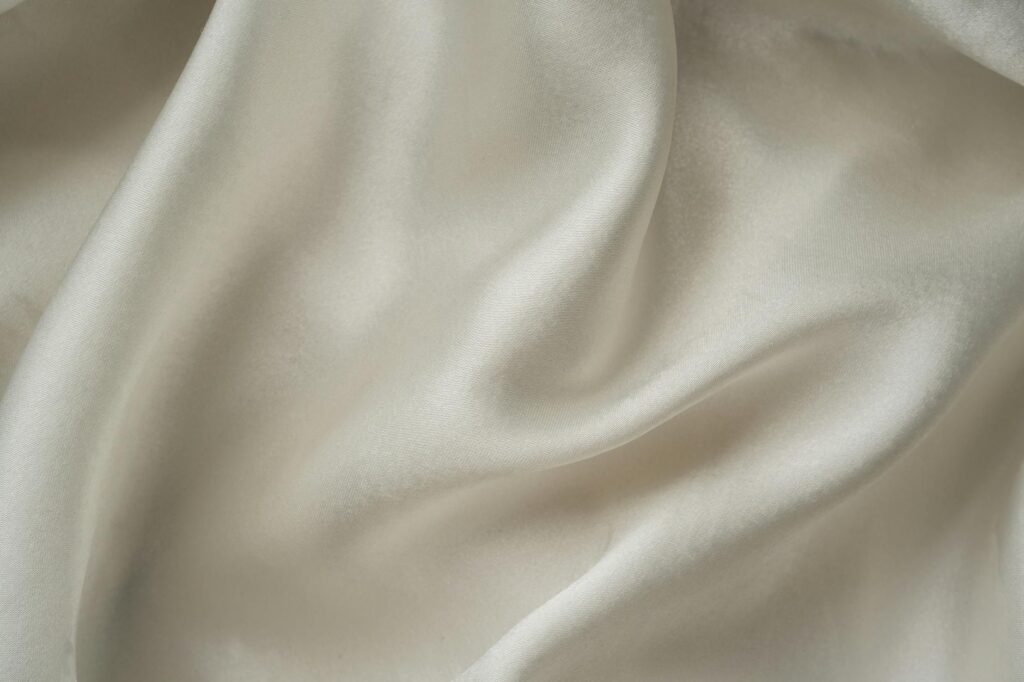
Silk Pillowcases: Your Hair & Skin’s Best Friend
Let’s be real. You spend a third of your life sleeping. If you’re like me, you’ve probably invested a decent chunk of change in serums, moisturizers, hair masks, and maybe even a fancy facial roller. But what if I told you one of the most impactful beauty upgrades is hiding in plain sight, on your bed? I’m talking about the humble silk pillowcase. For years, I was a staunch cotton loyalist, thinking, ‘It’s just a pillowcase, right?’ Wrong. So gloriously, embarrassingly wrong. The benefits of silk pillowcases for hair and skin are so profound that once you switch, you’ll wonder how you ever lived without one. It’s not just about feeling luxurious; it’s about tangible results for your tresses and your complexion.
In this article, we’re diving deep into why making the switch to silk is a no-brainer for anyone serious about their hair and skin health. We’ll cover everything from why cotton is the enemy of smooth hair to how silk can actually help combat acne and keep those pesky fine lines at bay. Plus, I’ll share some practical tips on choosing the right silk pillowcase and caring for it so it lasts.
Table of Contents
- Why Cotton Isn’t Your Friend (Especially for Sleep)
- Silk’s Magic for Smoother, Healthier Hair
- How Silk Pillowcases Benefit Your Skin
- Silk vs. Other Fabrics: A Quick Comparison
- Choosing Your Silk Pillowcase: What to Look For
- Caring for Your Silk Pillowcase
- Final Thoughts: Is the Upgrade Worth It?
Why Cotton Isn’t Your Friend (Especially for Sleep)
Let’s start with the most common culprit: cotton. I used to think cotton was breathable and natural, which it is, but it’s also incredibly absorbent and has a rougher texture than silk. Think about it: when you toss and turn at night, your hair rubs against that cotton fabric. This friction is a major cause of frizz, breakage, split ends, and general hair chaos. And it’s not just your hair that suffers. Cotton also wicks away moisture from your skin, contributing to dryness and potentially exacerbating fine lines over time. It can also trap heat and oils, which, for some skin types, can lead to breakouts.
[IMAGE alt=”Close-up showing rough texture of cotton pillowcase compared to smooth silk” caption=”The friction from cotton can be tough on hair and skin.”]
Silk’s Magic for Smoother, Healthier Hair
Now, let’s talk about the star of the show: silk. The primary benefit of silk pillowcases for hair is their incredibly smooth surface. Unlike cotton’s coarser fibers, silk fibers are smooth and round, allowing your hair to glide effortlessly across the pillow. This significantly reduces friction. What does that mean for you? Fewer tangles, less frizz, and dramatically reduced breakage. I noticed this almost immediately. My hair, which is prone to frizz, felt smoother and looked shinier even after just a week of using a silk pillowcase. It’s like giving your hair a mini-spa treatment every night.
Also, silk is naturally hypoallergenic and doesn’t absorb moisture like cotton. This means it won’t soak up your hair’s natural oils or the expensive hair products you applied before bed. Your hair stays hydrated, leading to less dryness and brittleness. For those with curly hair, the reduction in friction is a major shift for maintaining curl definition and reducing frizz. Even for straight hair, the shine and smoothness are noticeable improvements. It’s a simple switch that can make a big difference in your daily hair routine, often meaning less styling time and less product needed to tame flyaways.
Expert Tip: Look for silk pillowcases made from 100% mulberry silk. This is the highest quality silk, known for its strength, smoothness, and luster. Avoid ‘silk-blend’ or satin, as they won’t offer the same benefits.
🎬 Related Video
📹 What are the benefits of a silk pillowcase for skin and hair? (AD) | Ask Doctor Anne — Watch on YouTube
How Silk Pillowcases Benefit Your Skin
The benefits of silk pillowcases for skin are just as impressive as for hair. The smooth, non-absorbent nature of silk is key here too. Because silk doesn’t wick away moisture, it helps your skin retain its natural hydration. This is crucial for maintaining a plump, healthy complexion and can help reduce the appearance of fine lines and wrinkles. When your skin is properly hydrated, it looks and feels better. I’ve found my skin feels less ‘tight’ and dry in the mornings since making the switch.
Silk’s hypoallergenic properties are also a huge win for skincare. It’s naturally resistant to dust mites and mold, and it’s less likely to cause allergic reactions compared to synthetic fabrics or even some cottons. For those prone to acne or skin irritation, this is significant. Cotton pillowcases can harbor bacteria and oils, which can transfer to your skin and contribute to breakouts. Silk, being less absorbent, doesn’t hold onto these impurities as much. While it’s not a magic cure for acne, reducing friction and the transfer of oils and bacteria can definitely contribute to clearer skin over time. Many dermatologists, like those affiliated with the American Academy of Dermatology, recommend gentle, non-irritating fabrics for sensitive skin, and silk fits this bill perfectly.
Thing is, the ‘anti-aging’ claims are more about moisture retention and reduced friction than any magical properties of silk itself. Less creasing on your face from pressing against a rough pillow all night means fewer sleep lines. This is a tangible benefit that adds up over years of consistent sleep. The smooth surface also means less pulling and tugging on delicate facial skin.
Silk vs. Other Fabrics: A Quick Comparison
To really drive home the benefits, let’s quickly compare silk to its common counterparts.
| Feature | Mulberry Silk Pillowcase | Cotton Pillowcase | Satin Pillowcase (Polyester) |
|---|---|---|---|
| Friction | Very Low | High | Low to Medium |
| Moisture Absorption | Low (Moisture-wicking) | High | Low |
| Breathability | High | High | Low to Medium |
| Hypoallergenic | Yes | Can be iffy | No |
| Cost | High | Low | Low to Medium |
| Durability | Good (with care) | Good | Variable |
As you can see, while satin feels smooth, it’s often made of polyester, which doesn’t have the same breathability or hypoallergenic properties as silk. It can also be less durable. Cotton is great for everyday use but not ideal for maximizing hair and skin benefits during sleep. Silk truly stands out for its natural properties.
Choosing Your Silk Pillowcase: What to Look For
Okay, convinced? Great! Now, how do you pick the right one? It’s not as straightforward as just grabbing the cheapest one you see. Look for these key things:
- Material: 100% Mulberry Silk is the gold standard. The longer the staple fibers (the length of the silk strands), the smoother and more durable the fabric.
- Momme Weight: This is a unit of weight specific to silk, similar to thread count for cotton. Higher momme means denser, more durable silk. For pillowcases, 19-25 momme is generally considered high quality and luxurious. Anything below 15 momme might not offer the full benefits and could be less durable. I personally aim for at least 20 momme.
- Weave: Charmeuse weave is common for pillowcases and offers a beautiful drape and a lustrous sheen on one side.
- Closure: An envelope closure is best. It keeps the pillow securely inside without zippers or buttons that can snag hair or scratch skin.
- Certifications: Look for certifications like OEKO-TEX, which ensures the silk has been tested for harmful substances. This is important for something you sleep on every night. Brands like LilySilk and Slip are often cited for quality, though many reputable brands exist.
Important Note: Be wary of prices that seem too good to be true. Genuine 100% mulberry silk pillowcases are an investment. If a pillowcase is only $10-$15, it’s almost certainly not pure silk.
Caring for Your Silk Pillowcase
To ensure your silk pillowcase provides these amazing benefits for years to come, proper care is essential. Silk is a delicate natural fiber, but it’s not as high-maintenance as some people fear. The key is gentle handling. Most manufacturers recommend:
- Washing: Hand wash in cold water with a mild, pH-neutral detergent specifically designed for delicates or silk. Avoid harsh chemicals like bleach or fabric softeners.
- Rinsing: Rinse thoroughly but gently. Don’t wring or twist the fabric.
- Drying: Roll the pillowcase in a clean towel to absorb excess water. Then, lay it flat or hang it to air dry away from direct sunlight, which can damage the fibers and cause yellowing. Never put silk in a machine dryer.
- Ironing: If necessary, iron on the lowest heat setting while the silk is still slightly damp, preferably on the reverse side.
Honestly, the washing process isn’t too bad. It takes maybe five minutes, and it’s worth it to protect your investment. A quick rinse cycle on a ‘delicates’ setting might be possible with some brands, but hand washing is always the safest bet. I’ve found that following these simple steps keeps my silk pillowcases looking and feeling brand new.
Final Thoughts: Is the Upgrade Worth It?
If you’re looking for a simple, effective way to improve your hair and skin health overnight, the benefits of a silk pillowcase are undeniable. It’s one of those rare beauty investments that actually delivers tangible results without requiring a drastic change to your routine. From reducing frizz and breakage in your hair to keeping your skin hydrated and potentially clearer, silk is a major shift. Yes, it’s an investment compared to cotton, but considering the nightly ‘treatment’ it provides, the cost per use is incredibly low over time. Think of it as investing in your beauty sleep, literally. My hair and skin thanked me, and I’m confident yours will too. So go ahead, treat yourself – your hair and skin deserve it.
Frequently Asked Questions
Are silk pillowcases really better for hair and skin?
Yes, silk pillowcases offer significant benefits by reducing friction, preventing moisture loss, and being hypoallergenic. They help minimize hair breakage, frizz, and skin dryness, contributing to healthier hair and clearer, more hydrated skin.
How quickly will I see results from using a silk pillowcase?
Many people notice a difference in hair smoothness and reduced frizz within the first week. Skin benefits like improved hydration might take a few weeks of consistent use to become noticeably apparent, as skin cell turnover is a longer process.
Can silk pillowcases help with acne?
Silk pillowcases can help with acne because they are less absorbent than cotton, meaning they don’t trap as much oil, bacteria, and sweat. Their smooth surface also causes less irritation to the skin, which can be beneficial for inflamed acne.
Is mulberry silk the only type worth buying?
Mulberry silk is generally considered the highest quality for pillowcases due to its long, uniform fibers and strength. While other silks exist, mulberry silk provides the smoothest surface and best durability for this purpose.
How often should I wash my silk pillowcase?
It’s recommended to wash your silk pillowcase once a week, especially if you have oily skin or use heavy nighttime skincare products. More frequent washing might be necessary if you live in a hot climate or sweat heavily at night.