
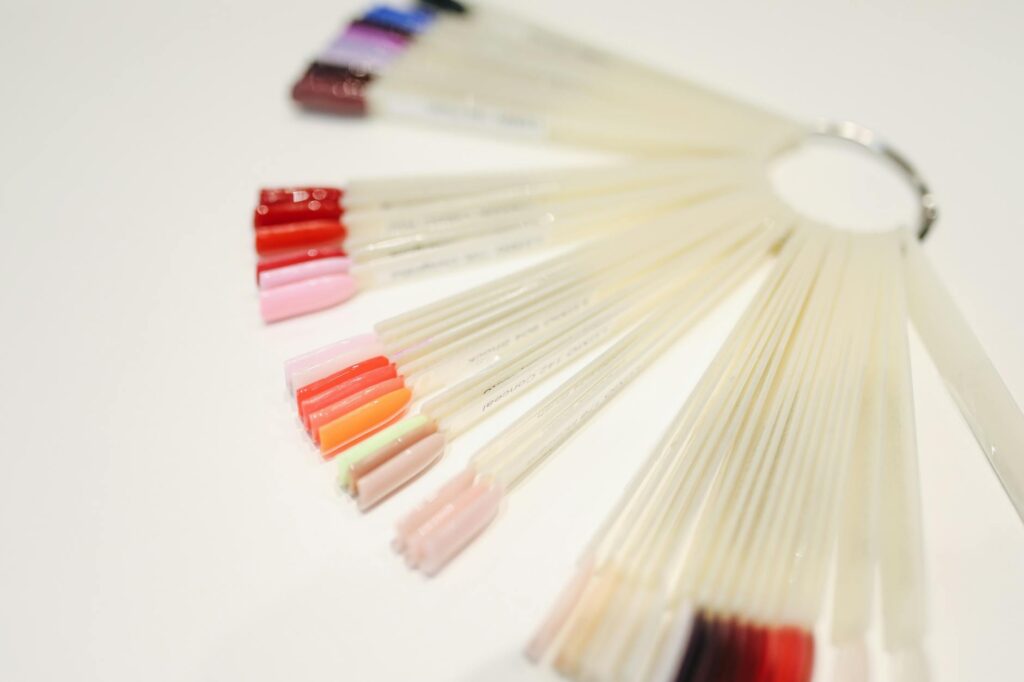
Gel vs Acrylic Nails: The Real Differences
Gel vs acrylic nails: which one wins? If you’re staring at the salon menu, feeling overwhelmed, you’re not alone. I’ve spent years navigating the world of nail enhancements and can tell you the choice isn’t just about aesthetics; it’s about lifestyle, durability, and what your natural nails can handle. For a long time, I leaned heavily on acrylics, especially for special events, because they felt indestructible. But then I discovered the subtle elegance and flexibility of gel, and it really changed my perspective on what a ‘perfect’ manicure could be.
So, what’s the actual difference? It boils down to the materials and how they’re applied. Acrylics are a mix of liquid monomer and powder polymer, creating a malleable dough that hardens when exposed to air. Gel nails, on the other hand, use a pre-mixed gel that requires a UV or LED lamp to cure and harden.
This fundamental difference impacts everything: how they look, how they feel, how long they last, and how they’re removed. Let’s break down the gel vs acrylic nails debate once and for all, looking at real-world performance and what you should consider before booking your next appointment.
Contents
What Are Acrylic Nails, Really?
Acrylic nails are created by combining a liquid monomer (ethyl acrylate) with a powder polymer (polymethyl methacrylate). When mixed, these form a pliable bead that a nail technician sculpts onto your natural nail or a tip to create the desired shape and length. This mixture then air-dries and hardens within minutes, creating a strong, durable extension.
Honestly, the strength of acrylics is legendary. I remember a client, Sarah, a graphic designer who’s constantly typing and gesturing, telling me how acrylics were the only extensions that could keep up with her demanding workday without chipping or breaking. She’d tried gels, but they’d snap when she accidentally slammed her hand on her desk – a daily hazard for her.
The look of acrylics can range from very natural to dramatically thick and opaque, depending on the technician’s skill and the type of product used. They’re also a fantastic base for nail art, polish, or French manicures. However, that distinct chemical smell during application isn’t for everyone. It’s that strong monomer odor, and ventilation is key in salons offering acrylic services.
The Lowdown on Gel Nails
Gel nails use a different beast altogether: a viscous gel that comes in a pot or bottle. This gel is a type of acrylic polymer, but it’s in a gel form rather than a powder. It doesn’t harden on its own; instead, it requires curing under a UV or LED lamp for a specific period (usually 30 seconds to 2 minutes per coat). This curing process cross-links the gel molecules, creating a hard, glossy finish.
There are two main types of gel: hard gel and soft gel (often called gel polish or shellac). Hard gels are more durable and can be used to build extensions, much like acrylics, but they cure hard and can’t be soaked off. Soft gels are more flexible and are typically applied over the natural nail or a nail tip for color and shine, and they can be soaked off. Most people referring to ‘gel nails’ mean the soak-off variety for a classic manicure.
I found gel polish to be a major shift for my own nails. My natural nails are quite thin and prone to splitting. Acrylics felt too heavy and sometimes caused lifting. Gel polish, however, gave me a protective layer with a beautiful shine that lasted for weeks without chipping, and it felt much more ‘natural’ on my nail bed.
🎬 Related Video
📹 Acrylic Vs Gel Nails- Differences & Which is Better — Watch on YouTube
Gel vs Acrylic Nails: Durability and Look
When it comes to the gel vs acrylic nails comparison for durability and appearance, there are distinct differences. Acrylics are generally harder and more rigid. This makes them incredibly strong and less likely to bend, but also more prone to snapping if subjected to a sharp impact. Their rigidity can sometimes feel a bit heavy or less natural on the nail.
Gels, especially soft gels, are more flexible. This flexibility means they tend to bend rather than break under pressure, reducing the risk of snapping a nail clean off. However, this flexibility can also mean they are more susceptible to scratching or buffing off if you’re not careful with abrasive tasks. The finish of gel is often described as having a more natural, high-gloss shine that doesn’t yellow over time as much as some acrylics can.
Expert Tip: If you’re choosing acrylics for a specific event and want them to look as natural as possible, discuss ‘overlay’ options with your technician. This involves applying a thin layer of acrylic over your natural nail for strength, rather than adding length with tips.
Maintenance and Longevity
The longevity of both gel and acrylic nails is impressive, but maintenance requirements differ. Typically, acrylics can last 2-3 weeks before needing a fill. Fills are necessary because as your natural nail grows, the acrylic ‘tip’ or extension moves forward, creating a gap at the cuticle. A technician will file down the existing acrylic, fill the gap with new acrylic, and rebalance the nail.
Gel polish, on the other hand, can last anywhere from 2 to 3 weeks, often longer, without significant chipping or peeling. Because gel polish is applied thinly and cures hard, it doesn’t require fills in the same way acrylics do. When your natural nail grows out, the gel polish will appear further down the nail bed. Removal is usually required to reapply a fresh coat, or sometimes a technician can ‘fill’ the cuticle area if they’re using a hard gel.
Case Study Snippet: My friend Chloe, a yoga instructor, found gels lasted longer for her because the flexibility meant fewer snags during inversions. Acrylics, while strong, would sometimes catch on her mat or clothing, leading to tears or breaks. She preferred the way gel moved with her nail.
A crucial aspect of maintenance for both is avoiding using your nails as tools. No matter how strong they are, prying open cans or scraping labels will eventually cause damage. It’s a habit I’ve had to break myself!
Removal Process and Nail Health
This is where gel and acrylic nails diverge significantly, impacting your natural nail health. Acrylics are typically removed by soaking the nails in acetone. It can take a considerable amount of time (15-30 minutes or more), and sometimes filing is required to break the seal. Improper or rushed removal can lead to thinning or damage of the natural nail.
Soft gel polish is also removed by soaking in acetone, usually for about 10-15 minutes. The acetone breaks down the gel polish, allowing it to be gently pushed off. Hard gels, however, cannot be soaked off and must be filed off, which requires a skilled technician to avoid damaging the natural nail underneath.
- Natural, high-gloss shine
- Flexible, less prone to snapping
- Odorless application
- Often thinner and lighter feel
- Can last 2-3 weeks without chipping
- Requires UV/LED lamp for curing
- Hard gels can be difficult to remove
- Can be less durable than acrylics for heavy-duty use
- Scratching is possible due to flexibility
The key to maintaining nail health with either system is proper application and, crucially, proper removal. Always go to a reputable salon where technicians are trained in safe removal techniques. I’ve heard horror stories of people aggressively filing off their enhancements, leaving their natural nails raw and sensitive. If you’re doing it at home, take your time and be gentle. Acetone is your friend here, but patience is your best tool.
Real-World Case Studies
Let’s look at two common scenarios to illustrate the gel vs acrylic nails dilemma:
Client A: The Active Professional
Meet Jessica, a marketing executive who travels frequently and is always on the go. She needs her nails to look polished for client meetings but also withstand the rigors of travel – packing, typing on laptops, and sometimes even minor DIY tasks. Initially, she opted for acrylics because she believed they were the strongest. However, she found they could feel heavy and sometimes cracked when she’d accidentally hit her hand on a suitcase handle. After switching to gel extensions (hard gel for length), she found they offered a similar strength but with a lighter, more natural feel. The high-gloss finish also stayed intact for her entire trip, looking fresh for about three weeks.
Client B: The Creative Hobbyist
David is an artist and sculptor who spends hours working with his hands. His primary concern is nail strength and durability, but he also dislikes anything that feels overly artificial or restrictive. He tried acrylics, which provided the toughness he needed, but he found them too rigid and prone to chipping when he’d manipulate clay or other materials. He then experimented with gel polish overlays on his natural nails. While not adding length, the gel polish provided a protective shell that resisted chipping and scratching from his tools and materials. He also appreciated the faster, odorless application compared to acrylics, and the ease of soaking off when he wanted a break.
Which is Right for You?
The decision between gel vs acrylic nails really depends on your lifestyle, nail goals, and personal preferences. Here’s a quick guide:
- For Maximum Strength and Length: If you need significant length, want a very hard finish, or tend to be rough on your nails, acrylics might be your best bet. They are excellent for creating dramatic shapes and extensions.
- For a Natural Look and Shine: If you prefer a lighter, more flexible feel, a brilliant high-gloss finish, and minimal odor during application, gel nails (especially gel polish) are often preferred. They are great for enhancing natural nails or adding a durable color layer.
- For Durability Without Bulk: Hard gel extensions can offer the strength of acrylics with a lighter, more natural feel and often a superior shine.
- For Ease of Removal (Generally): Soft gel polish is typically easier and less damaging to remove than hard gels or acrylics, provided it’s done correctly.
Thing is, many salons now offer both, and the skill of the technician plays a massive role. A good nail tech can make acrylics look delicate or gels feel incredibly strong. Don’t be afraid to ask for recommendations based on your specific needs and habits. I always tell my clients to consider what they do day-to-day. Are you typing all day? Are you a gardener? Are you constantly doing dishes without gloves? These practicalities matter.
Ultimately, both gel and acrylic nails offer beautiful, long-lasting manicures. Understanding the core differences in their composition, application, and removal will help you make an informed choice that keeps your nails looking fantastic and healthy. It’s not about one being universally ‘better,’ but which one is better for you.
Frequently Asked Questions
Can gel nails damage your natural nails more than acrylics?
Neither gel nor acrylic nails inherently damage your natural nails more than the other; damage typically results from improper application or, more commonly, aggressive or incorrect removal techniques. Both require careful soaking and gentle filing to avoid thinning or tearing the natural nail.
Which lasts longer, gel or acrylic nails?
Both gel and acrylic nails can last between 2 to 3 weeks, with longevity often depending on the individual’s nail growth, lifestyle, and maintenance. Acrylics may require fills sooner due to their rigidity, while gels might chip or scratch if not cared for, but generally offer consistent wear.
Are gel nails or acrylic nails more expensive?
The cost of gel vs acrylic nails can vary. Gel manicures, especially those involving extensions, can sometimes be slightly more expensive than basic acrylics due to the specialized lamps and products used. However, prices fluctuate based on salon location, technician experience, and complexity of the design.
Which type of nail enhancement is best for weak or brittle nails?
For weak or brittle nails, gel polish overlays are often recommended as they provide a protective, flexible layer without the added weight or rigidity of acrylics. Hard gel extensions can also be a good option if length is desired, as they offer strength with a lighter feel than traditional acrylics.
Can I switch between gel and acrylic nails freely?
Yes, you can switch between gel and acrylic nails, but it’s advisable to give your natural nails a break and allow them to recover between applications, especially if you notice any thinning or sensitivity. Proper removal is key before switching systems.