
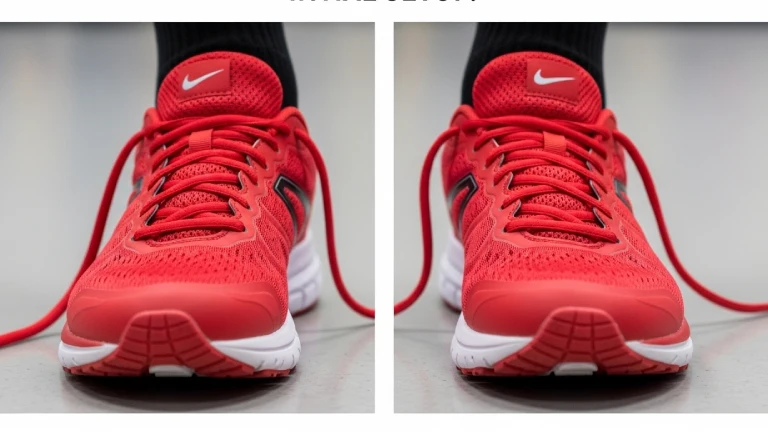
Finding the perfect shoe fit can be a challenge, especially if you’re an active runner, hiker, or someone who spends long hours on their feet. One of the most effective ways to enhance shoe comfort and prevent slipping is through heel lock lacing. This simple but powerful technique ensures your heel stays in place, reducing friction, blisters, and discomfort.
In this detailed guide, we will explore everything about heel lock lacing, from its benefits to step-by-step instructions, tips, and even a comparison chart of its effectiveness against other lacing techniques. By the end, you’ll have all the tools you need to improve your shoe fit and overall foot performance.
What is Heel Lock Lacing?
Heel lock lacing, also called “runner’s loop” or “lace lock,” is a shoe-lacing method designed to secure your heel in place. Unlike traditional crisscross lacing, heel lock lacing uses the top eyelets of the shoe to create a tighter fit around the ankle, preventing the heel from lifting while walking, running, or hiking.
This technique is especially helpful for people who experience heel slippage, which can cause discomfort, instability, and even blisters. Heel lock lacing is compatible with most lace-up shoes, including running shoes, hiking boots, and sneakers.
Benefits of Heel Lock Lacing
Using heel lock lacing offers several advantages for your feet and overall shoe experience:
-
Reduces Heel Slippage: Keeps your heel firmly in place to prevent rubbing or sliding.
-
Prevents Blisters: Minimizes friction between your heel and the shoe, lowering the risk of painful blisters.
-
Enhances Stability: Provides better support during running, hiking, or other physical activities.
-
Improves Fit: Makes loose shoes feel snug without tightening the entire foot.
-
Increases Comfort: Maintains a secure fit while reducing unnecessary movement.
Step-by-Step Guide to Heel Lock Lacing
Follow these steps to master heel lock lacing:
-
Start with Regular Lacing: Begin by lacing your shoes normally until you reach the second-to-last eyelet.
-
Create a Loop: Thread the lace through the top eyelet on the same side to form a small loop on each side.
-
Cross the Laces: Insert each lace into the opposite loop, creating a cross at the top.
-
Tighten the Lock: Pull the lace ends to tighten the loops, locking your heel securely.
-
Tie Normally: Finish by tying your shoes as you usually would. The top loops hold your heel in place without adding discomfort.
High Heel Crocs: The Perfect Blend of Style and Comfort
When to Use Heel Lock Lacing
Heel lock lacing is ideal for situations that require extra stability and comfort:
-
Running and Jogging: Prevents your heel from sliding inside running shoes.
-
Hiking and Trekking: Secures your foot for uneven terrain.
-
Sports Activities: Provides better agility and reduces risk of injury.
-
Daily Wear: Useful for shoes that are slightly loose or prone to slipping.
Comparison Chart: Heel Lock vs Other Lacing Techniques
| Feature | Standard Lacing | Heel Lock Lacing | Loop Lacing | Diagonal Lacing |
|---|---|---|---|---|
| Heel Slippage | High | Low | Medium | Medium |
| Comfort | Medium | High | Medium | Medium |
| Stability | Medium | High | Medium | Medium |
| Prevents Blisters | Low | High | Medium | Low |
| Ease of Lacing | Easy | Medium | Easy | Medium |
| Best For | Casual Shoes | Running/Hiking | Casual | Fashion |
This chart shows why heel lock lacing is superior for secure fit and foot protection during active use.
Tips for Optimal Heel Lock Lacing
-
Use Flat Laces: Flat laces stay tighter and reduce friction.
-
Adjust Gradually: Don’t overtighten the laces; a snug fit is enough.
-
Check Daily: Re-lace if the fit loosens after extended wear.
-
Combine with Insoles: Heel lock lacing works best with proper insoles.
-
Practice Different Styles: Some variations include double loops or skipping middle eyelets for comfort.
Common Mistakes to Avoid
-
Over-tightening: Can cause numbness or discomfort in the foot.
-
Ignoring Shoe Shape: Not all shoes need heel lock; tight-fitting shoes may feel cramped.
-
Skipping Loops: Proper loop creation is key to locking the heel.
-
Incorrect Lace Type: Round laces may slip; flat laces provide better security.
Frequently Asked Questions
1. Does heel lock lacing work for all shoes?
Heel lock lacing works best for lace-up shoes with top eyelets. Running shoes, hiking boots, and sneakers benefit the most. Shoes without proper eyelets may not support this technique.
2. Can heel lock lacing prevent blisters completely?
While it significantly reduces heel friction, it may not prevent blisters in all cases. Proper socks, insoles, and shoe fit are also important factors.
3. Is heel lock lacing suitable for children?
Yes, children can use heel lock lacing to prevent slipping, especially in sports shoes. Ensure the laces are not too tight for small feet.
4. How often should I re-lace using heel lock?
Re-lace whenever your shoes feel loose or after extended use. Daily check-ins are recommended for runners and hikers.
5. Can I use heel lock lacing on high-top shoes?
Absolutely! Heel lock lacing works even better on high-tops because it secures the ankle and heel, providing extra stability.
Conclusion
Heel lock lacing is a simple yet highly effective way to enhance shoe comfort, stability, and protection. Whether you’re a runner, hiker, or someone who spends hours on their feet, mastering this technique can prevent heel slippage, reduce blisters, and provide a snug fit without compromising comfort.
By understanding the benefits, following step-by-step instructions, and applying the tips provided in this guide, you can transform your footwear experience. Use the comparison chart to identify when heel lock lacing is ideal and avoid common mistakes to get the best results.
Investing a few minutes in proper heel lock lacing can make a significant difference in your daily comfort and performance. Secure your heel today and experience shoes that feel custom-fit every step of the way