
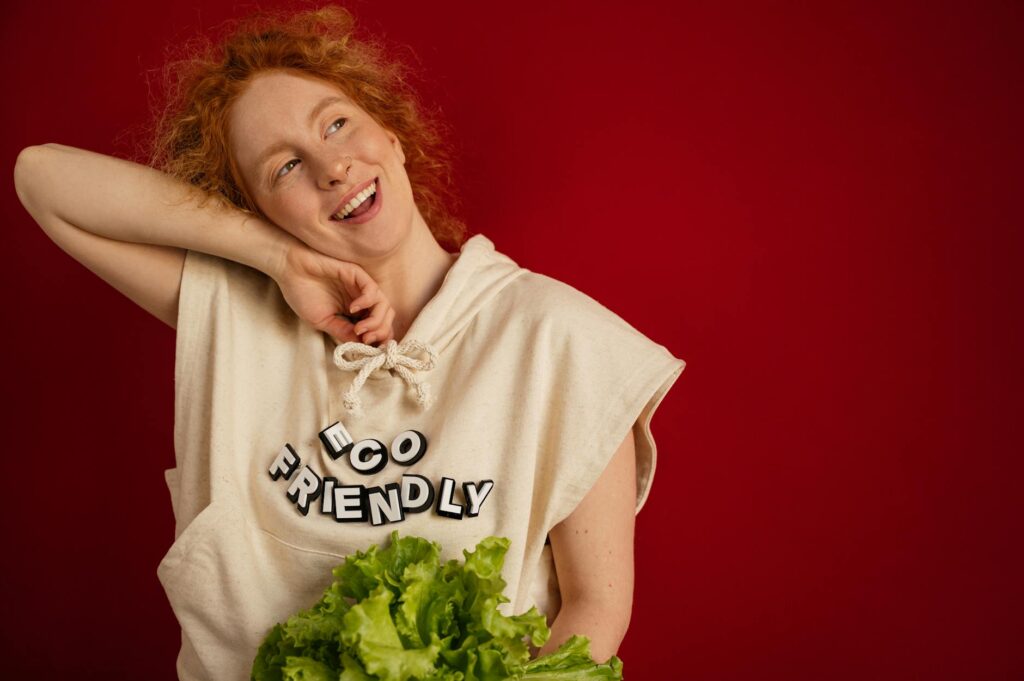
Sustainable Fashion Trends 2026: A Data-Driven Guide
Sustainable fashion trends 2026 are not just a fleeting moment but a significant market shift, with 72% of consumers in a 2025 survey indicating they actively seek out brands with strong environmental and ethical practices. By 2026, this demand is projected to influence over $1.5 trillion in global apparel spending. Understanding these evolving trends is crucial for both consumers looking to make informed choices and brands aiming to align with future market expectations. This article provides a data-driven look at what’s next in sustainable fashion.
Table of Contents
- What Data Drives Sustainable Fashion in 2026?
- What Are the Top 3 Sustainable Fabrics for 2026?
- How is Circular Fashion Shaping Trends for 2026?
- What Role Do Secondhand and Rental Play in 2026?
- What Practical Steps Can You Take for Sustainable Fashion in 2026?
- Will Technology Impact Sustainable Fashion in 2026?
What Data Drives Sustainable Fashion in 2026?
The primary driver for sustainable fashion trends in 2026 is a confluence of consumer awareness and regulatory pressure. Reports from the Ellen MacArthur Foundation indicate that the circular economy in fashion is expected to grow by 15% annually leading up to 2026. Also, a 2025 study by Nielsen found that 66% of global consumers are willing to pay more for sustainable brands. This financial incentive, coupled with increasing media attention on environmental impact, means that brands must demonstrate tangible sustainability efforts, not just marketing claims. For instance, the demand for transparency in supply chains has risen, with 85% of consumers wanting to know where and how their clothes are made.
What Are the Top 3 Sustainable Fabrics for 2026?
The fabric landscape is evolving, with a clear move towards materials that minimize environmental impact. For 2026, expect continued growth in the adoption of these key sustainable fabrics:
- Organic Cotton: While not new, its market share is projected to increase by 8% annually as consumers seek alternatives to conventional cotton, which uses approximately 20,000 liters of water per kilogram.
- Recycled Polyester (rPET): Made from post-consumer plastic bottles, rPET diverts waste from landfills and oceans. The global recycled polyester market is anticipated to reach $10 billion by 2027, with significant growth from 2025-2026.
- TENCEL™ Lyocell: This cellulosic fiber, derived from sustainable wood sources, uses a closed-loop production process that recycles over 99% of the solvents. Its popularity is set to surge as brands highlight its biodegradable and compostable qualities.
[IMAGE alt=”Swatches of organic cotton, recycled polyester, and TENCEL™ lyocell fabrics” caption=”Key sustainable fabrics for 2026.”]
🎬 Related Video
📹 sustainable fashion trends 2026 — Watch on YouTube
How is Circular Fashion Shaping Trends for 2026?
Circular fashion, which aims to keep materials in use for as long as possible, is moving from a niche concept to a mainstream expectation by 2026. This involves designing products for longevity, repairability, and recyclability. The business model is shifting from a linear ‘take-make-dispose’ approach to one that prioritizes regeneration and waste reduction. By 2026, we’ll see more brands implementing take-back programs and investing in advanced recycling technologies. The global market for textile recycling is projected to grow by nearly 6% each year, indicating a significant industry pivot towards closing the loop.
The Ellen MacArthur Foundation estimates that by adopting circular economy principles, the fashion industry could reduce its greenhouse gas emissions by up to 75% by 2050, with substantial progress expected by 2026.
What Role Do Secondhand and Rental Play in 2026?
The secondhand and rental fashion markets are experiencing explosive growth and are integral to sustainable fashion trends in 2026. The global secondhand apparel market alone is projected to double in size between 2023 and 2028, reaching an estimated $350 billion. This surge is fueled by the desire for unique styles, affordability, and a commitment to reducing fashion waste. Rental platforms are also expanding, offering consumers access to high-fashion or occasion wear without the commitment of ownership, thereby reducing the demand for new production. By 2026, these resale and rental channels will be standard components of a sustainable wardrobe for many.
[IMAGE alt=”Collage of stylish outfits from secondhand and rental fashion platforms” caption=”Secondhand and rental fashion are key to 2026 sustainability.”]
What Practical Steps Can You Take for Sustainable Fashion in 2026?
Embracing sustainable fashion trends 2026 doesn’t require a complete wardrobe overhaul overnight. It’s about making conscious, incremental changes. Here’s how you can start:
- Buy Less, Choose Well: Focus on quality pieces that will last. Aim for a minimalist wardrobe where each item is versatile and cherished.
- Embrace Secondhand: Explore thrift stores, consignment shops, and online resale platforms like Depop or ThredUp. You can find unique items and save money.
- Rent for Occasions: For special events, consider renting instead of buying something you’ll only wear once. Services like Rent the Runway are excellent options.
- Care for Your Clothes: Proper washing and drying can extend the life of your garments significantly, reducing the need for replacements. Wash on cold cycles and air dry whenever possible.
- Support Sustainable Brands: Research brands that are transparent about their practices and use eco-friendly materials. Look for certifications like GOTS (Global Organic Textile Standard) or Fair Trade.
- Greenwashing: Be wary of brands making vague sustainability claims without substantiation. Look for specific data and certifications.
- Fast Fashion Temptation: Resist the urge to constantly buy cheap, trendy items that are not built to last and contribute to waste.
- Ignoring Labels: Pay attention to fabric composition and care instructions to make informed decisions about longevity and environmental impact.
Will Technology Impact Sustainable Fashion in 2026?
Technology is set to play an increasingly significant role in driving sustainable fashion trends in 2026. Advancements in material science are leading to innovative bio-based and biodegradable alternatives. For example, companies are developing leather alternatives from mushrooms (Mylo™) and pineapple leaves (Piñatex), which offer a more sustainable future for accessories and footwear. Digital product passports, utilizing blockchain technology, are emerging to provide unprecedented transparency into a garment’s lifecycle, from raw material sourcing to end-of-life recycling. This technology will empower consumers with verifiable information, pushing brands towards greater accountability. Also, AI is being used to optimize supply chains, reduce waste in manufacturing, and even assist in personalized, on-demand production, minimizing overstock.
The integration of these technologies is not just about creating new products but about fundamentally changing how fashion is produced, consumed, and managed. It’s about building a fashion ecosystem that is more resilient, ethical, and environmentally sound. Companies like Nike are investing heavily in recycled materials and responsible manufacturing processes, showcasing how established players are adapting.
Frequently Asked Questions
What is the biggest trend in sustainable fashion for 2026?
The biggest trend is the widespread adoption of circular economy principles, moving beyond linear ‘take-make-dispose’ models. This includes a greater emphasis on designing for longevity, repairability, and strong recycling programs.
Are recycled materials truly sustainable for 2026 fashion?
Yes, recycled materials like rPET and recycled cotton are significantly more sustainable than virgin alternatives. They divert waste from landfills and reduce the demand for new resource extraction, aligning with 2026 sustainability goals.
How can I identify sustainable fashion brands in 2026?
Look for transparency regarding materials, manufacturing processes, and labor practices. Certifications such as GOTS, Fair Trade, and B Corp are strong indicators. Research brands’ annual sustainability reports for concrete data.
Is renting clothes a sustainable fashion trend for 2026?
Absolutely. Renting clothes is a key sustainable fashion trend for 2026 as it maximizes the use of garments, reduces the need for frequent new purchases, and offers access to diverse styles with a lower environmental footprint.
What is the future of vegan leather in 2026?
The future of vegan leather in 2026 is bright, with innovations focusing on plant-based and biodegradable alternatives derived from sources like mushrooms and fruits. These are increasingly replacing traditional plastic-based vegan leathers.
Embrace the Future of Fashion
The sustainable fashion trends for 2026 are clear: consumers are demanding more ethical and environmentally responsible choices, and the industry is responding with innovation and a commitment to circularity. By understanding the data behind these shifts and adopting practical strategies, you can align your wardrobe with a more sustainable future. Start by prioritizing quality, exploring secondhand and rental options, and supporting brands that genuinely champion eco-conscious practices. Your choices matter in shaping the future of fashion.