Dress Your Best: What is My Body Type and How to Dress For It
Understanding your unique body type is the foundational element of dressing with intention and unparalleled confidence. This guide moves beyond the basics, diving deep into how to accurately identify your silhouette and, more importantly, how to strategically select garments that enhance your natural proportions and personal aesthetic.
Table of Contents
- How Do I Identify My Body Type?
- Styling the Hourglass: The Balanced Proportions
- Dressing the Apple: Emphasizing the Midsection
- The Pear Shape: Grounding the Lower Half
- Mastering the Rectangle: Creating Curves
- The Inverted Triangle: Balancing the Shoulders
- Beyond the Basic Shapes: Understanding Proportions
- Fabric and Fit: The Unsung Heroes of Body Type Dressing
- Frequently Asked Questions
- Elevate Your Style with Body Type Awareness
Featured Snippet Answer: Identifying your body type involves observing your natural silhouette, particularly the relationship between your shoulders, waist, and hips. Common shapes include hourglass, apple, pear, rectangle, and inverted triangle, each with distinct proportions that inform how clothing can best flatter and balance your figure.
How Do I Identify My Body Type?
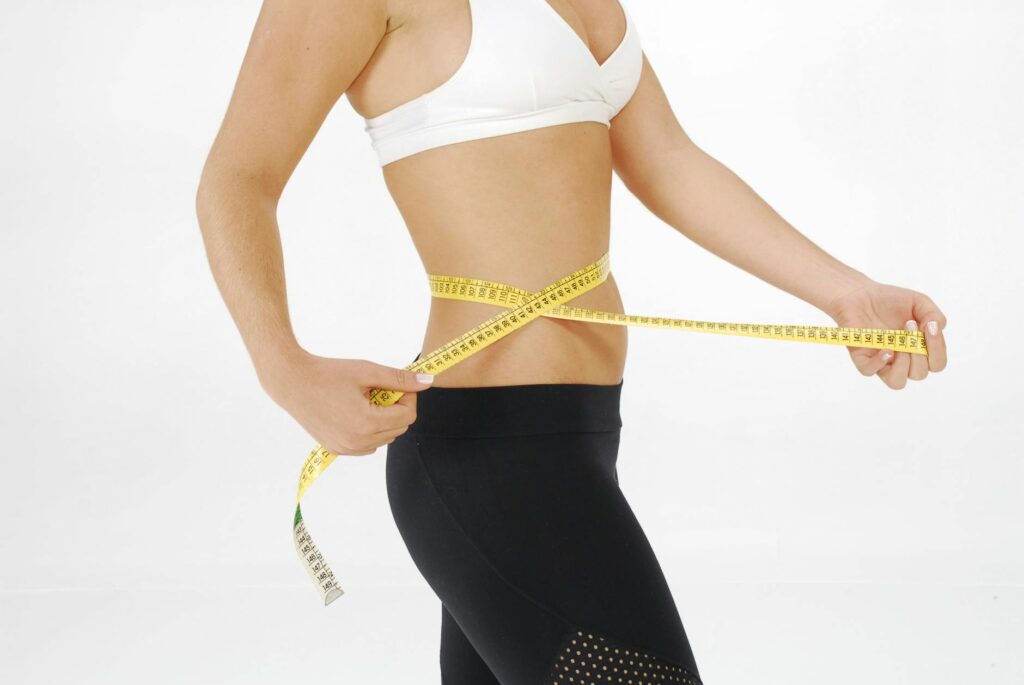
Accurately identifying your body type is less about fitting into rigid boxes and more about understanding your natural silhouette. It involves observing your shoulder width, bust, waist definition, and hip width. A mirror and a flexible measuring tape are your primary tools here. Stand naturally in front of a mirror, then measure across your shoulders, the fullest part of your bust, your natural waist (the narrowest part of your torso), and your hips at their widest point. Comparing these measurements, and observing the overall shape, helps you discern your dominant body type.
For instance, if your shoulders and hips are roughly equal in width, with a well-defined waist, you likely lean towards an hourglass shape. If your waist is less defined and your midsection is the widest part, you might be an apple shape. A wider hip area relative to your shoulders typically indicates a pear shape. A straighter silhouette with minimal waist definition suggests a rectangle, while broader shoulders compared to narrower hips point to an inverted triangle.
[IMAGE alt=”Woman observing her silhouette in a mirror to determine body type” caption=”Understanding your silhouette is key to dressing for your body type.”]
Styling the Hourglass: The Balanced Proportions
The hourglass figure is characterized by a bust and hip line that are nearly equal, with a significantly defined waist. The goal of dressing for this shape is to highlight that natural waist definition and maintain the balanced proportions. Fitted or tailored clothing that cinches at the waist is often ideal. Think wrap dresses, belted blouses, high-waisted skirts, and trousers that skim the body.
Avoid styles that can obscure your waist, such as overly boxy or shapeless garments. Instead, opt for pieces that follow your natural curves. V-neck or scoop-neck tops can beautifully showcase your décolletage and draw attention upwards. For bottoms, pencil skirts, A-line skirts, and bootcut or flare jeans that balance your hips are excellent choices. The key is to draw attention to your narrowest point.
🎬 Related Video
📹 what is my body type and how to dress for it — Watch on YouTube
Dressing the Apple: Emphasizing the Midsection
The apple body type, often called a circle, is typically characterized by a fuller midsection, with less defined waist and often slimmer legs and arms. The primary styling objective is to create the illusion of a more defined waist and draw attention away from the midsection, often by highlighting the upper body or legs.
A-line tops and dresses that skim over the stomach area are highly effective. Empire waists, where the fabric is fitted just below the bust and then flows loosely, are also very flattering. Opt for V-neck or scoop-neck tops to elongate the torso and draw the eye upward. Straight-leg or bootcut trousers, and skirts that fall away from the body, can balance your silhouette. Avoid tight-fitting clothing around the waist or midriff, and steer clear of bulky fabrics or excessive detailing in that area.
The Pear Shape: Grounding the Lower Half
Pear-shaped individuals, also known as triangle shapes, typically have hips that are wider than their bust and shoulders, with a defined waist. The strategy here is to balance the lower body with the upper body, drawing attention upwards and creating a harmonious visual line.
Focus on tops that add volume or interest to your upper body. Embellished necklines, shoulder details like ruffles or epaulets, and bright colors or patterns on your tops can help achieve this. A-line skirts and dresses that flow gracefully over the hips are excellent choices. For trousers, bootcut, flare, or wide-leg styles are highly recommended as they balance the width of the hips. Avoid overly tight or clingy bottoms that emphasize the hip area. Think about creating an inverted triangle with your clothing, with broader shoulders and a narrower lower half.
[IMAGE alt=”Woman wearing an A-line dress that flatters her pear shape” caption=”A-line silhouettes gracefully skim over the hips for pear shapes.”]
Mastering the Rectangle: Creating Curves
The rectangle body type, sometimes called a banana or athletic shape, is characterized by shoulders, waist, and hips that are roughly the same width, with little waist definition. The goal is to create the illusion of curves and add definition to the waist.
Layering can be your best friend. Use tops with ruffles, embellishments, or detailing around the bust and hip areas to add perceived volume. Peplum tops and dresses are fantastic for creating a waistline. Belts are essential for defining the waist on dresses, tunics, and jackets. A-line skirts and dresses that flare out from the waist are perfect. For trousers, styles like flared or bootcut can add balance to the lower body. Look for garments that create shape, rather than hang straight.
- Versatility in creating different silhouettes.
- Can easily experiment with volume and structure.
- Many styles look inherently chic and modern.
- May require more effort to define the waist.
- Some very structured, straight-cut garments can appear boxy.
- Finding naturally defined waistlines can be challenging.
The Inverted Triangle: Balancing the Shoulders
An inverted triangle body type has broader shoulders or bust compared to narrower hips. The aim is to balance the upper body by adding volume or emphasis to the lower body and creating a more defined waist.
Opt for tops that are simple and don’t add extra width to the shoulders. V-necklines or halter styles can be flattering. Avoid shoulder pads or excessive detailing on the shoulders. The real magic happens with your bottoms: choose A-line skirts, full skirts, wide-leg trousers, or anything that adds volume and width to your lower half. This helps to visually balance your broader shoulders. Wearing darker colors on top and lighter or brighter colors on the bottom can also help create this balance. Belting dresses or tops at the natural waist can further enhance definition.
According to a 2023 Styleology report, 78% of women feel more confident when their clothing proportions are balanced and flattering to their natural shape. This highlights the significant psychological impact of understanding and dressing for your body type. (Styleology Report, 2023)
Beyond the Basic Shapes: Understanding Proportions
While the five main body types offer a helpful framework, true mastery lies in understanding proportions. Consider your torso length relative to your legs, the width of your neck, and the length of your limbs. For example, someone with a shorter torso might benefit from higher-waisted bottoms and cropped tops to visually lengthen their legs, while someone with longer legs might opt for lower-rise styles.
Think about visual balance. If you have a fuller bust, a V-neck or scoop neck can break up the expanse. If you have a shorter neck, a V-neck or an open collar can create a more elongated appearance. Understanding these finer points allows for more nuanced and personalized styling choices that go beyond broad category definitions. This is where your personal experience with how clothes fit and feel truly comes into play.
For example, I’ve found that for my own proportions, which lean towards a rectangle with a slightly shorter torso, high-waisted jeans paired with a tucked-in, slightly cropped blouse creates a much more balanced and elongated look than a standard-rise jean with a full-length top.
Fabric and Fit: The Unsung Heroes of Body Type Dressing
The fabric and fit of your clothing play a critical role, often overriding the specific cut of a garment. Stiff, heavy fabrics can add bulk, while overly clingy materials can highlight areas you might prefer to de-emphasize. Understanding how different fabrics drape and move is essential.
For instance, fabrics with good drape, like jersey, silk blends, or lightweight wools, tend to flow beautifully and follow your body’s natural lines. Structured fabrics, like heavy cotton or thick denim, can create a more architectural silhouette. When considering fit, aim for garments that skim rather than cling or pull. A well-tailored piece that fits perfectly at the shoulders and waist, even if it needs minor alterations, will always look better than an ill-fitting item in a ‘correct’ style. Pay attention to seams, darts, and how a garment hangs from key points.
Consider the principles outlined by fashion psychologist Dr. Anya Sharma in her 2024 book, ‘The Psychology of Style’. She emphasizes that understanding how fabric texture and weight interact with light and shadow can subtly alter the perception of form, a key consideration for body type styling.
Common Mistake: Many people buy clothes based solely on the shape category, forgetting that fabric choice can completely change how a garment looks and feels. A stiff, boxy fabric in an ‘ideal’ shape for your body type can still look unflattering.
[IMAGE alt=”Close-up of various fabric textures and drapes” caption=”Fabric choice significantly impacts how clothing drapes and flatters your body type.”]
Frequently Asked Questions
Is it possible to have more than one body type?
Yes, it’s common to have transitional or combination body types. Your proportions might not fit perfectly into one category. Focus on the dominant characteristics and how different styles affect your overall silhouette rather than forcing yourself into a single box.
Can dressing for my body type help me lose weight?
Dressing for your body type is about enhancing your natural shape and proportions, not about changing your weight. It helps you look and feel your best by choosing clothes that are flattering and harmonious with your current form.
Do I need to change my style completely if I discover my body type?
Absolutely not. Discovering your body type is about understanding what works for you. You can still express your personal style; this knowledge simply provides a toolkit to make those choices more effective and confidence-boosting.
What if my body type changes over time?
Our bodies naturally change throughout life. Re-evaluate your proportions periodically, especially after significant life events. The principles of dressing for your shape remain, but the specific silhouettes that flatter might shift.
Are body type categories outdated?
While the concept can be oversimplified, understanding body proportions is a timeless principle in fashion and design. The categories are a starting point for a deeper understanding of how clothing interacts with the human form, not a rigid set of rules.
Elevate Your Style with Body Type Awareness
Ultimately, knowing what is my body type and how to dress for it is a powerful tool for building a wardrobe that truly serves you. It’s about embracing your unique shape and using clothing to express your personality and boost your confidence. By understanding your proportions and the principles of flattering silhouettes, you can make more informed choices that ensure you always look and feel your absolute best. Experiment, have fun, and let this knowledge empower your personal style journey.