
 By Sienna Modesto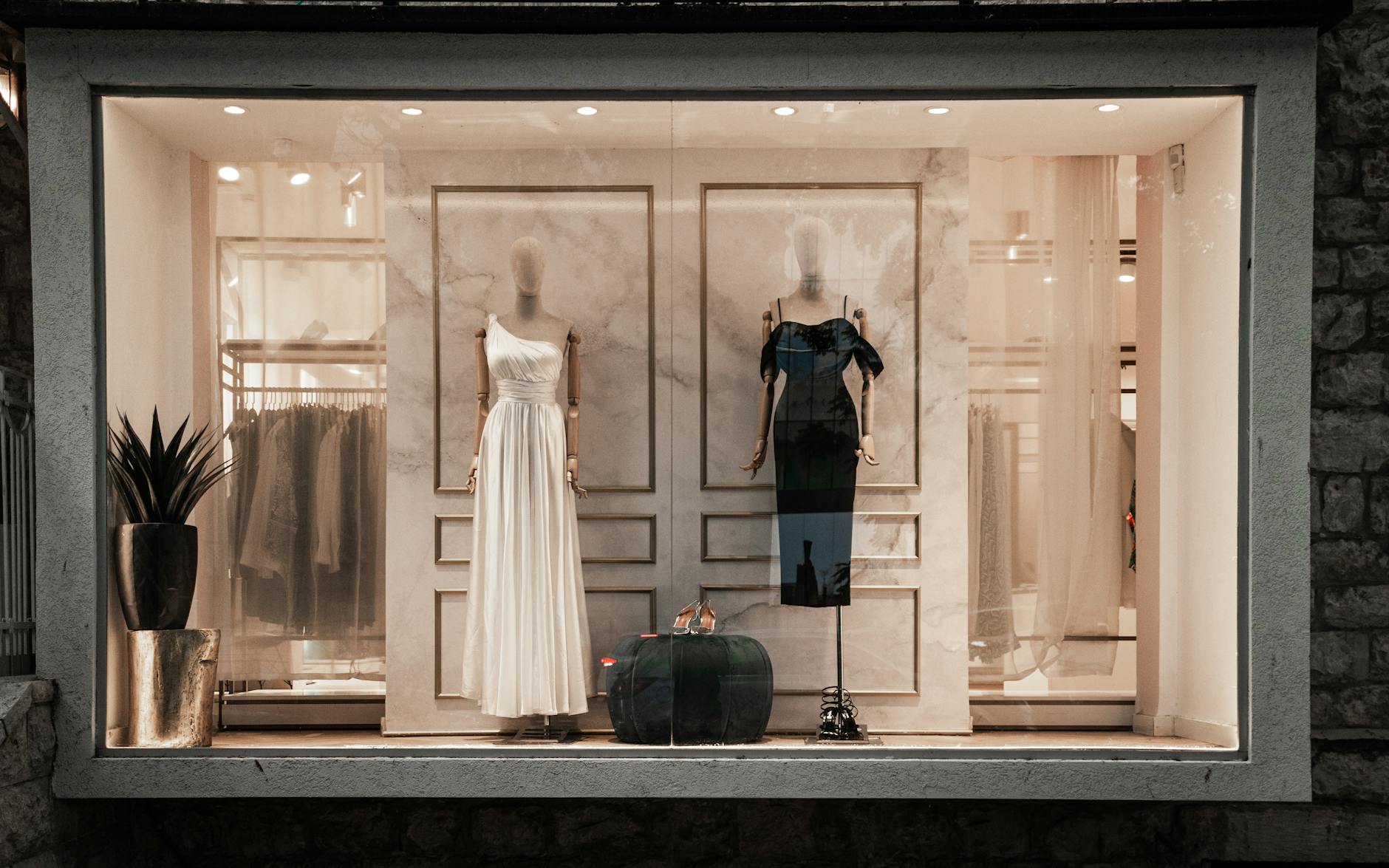
Boutique Couture Shopping: Elevating Your Wardrobe with Exquisite Finds
The allure of boutique couture shopping lies in its promise of exclusivity and unparalleled quality. Unlike mass-produced garments, couture pieces are crafted with meticulous attention to detail, often by hand, using the finest materials. For those seeking to imbue their personal style with a touch of artistry and sophistication, understanding how to shop boutique couture is really important. It’s an experience that transcends mere purchasing. it’s an investment in craftsmanship, individuality, and lasting elegance. In recent years, the world of luxury fashion has evolved, with boutiques increasingly focusing on curated collections and personalized experiences, making the art of finding these unique treasures more rewarding than ever.
Last updated: April 21, 2026
what’s Boutique Couture Shopping?
Boutique couture shopping refers to the practice of acquiring high-end, often custom or limited-edition garments and accessories from independent designer boutiques or specialized ateliers. These establishments typically focus on curated selections of designer pieces, emphasizing unique styles, superior craftsmanship, and personalized customer service. Think of it as stepping into a world where fashion is art, and every garment tells a story of design innovation and artisanal skill. It’s a distinct departure from the high-volume, trend-driven environment of larger retailers, offering a more intimate and discerning approach to building a sophisticated wardrobe.
Why Choose Boutique Couture?
The primary draw of shopping at a couture boutique is the promise of owning something truly special. These pieces are often made in limited quantities, ensuring you won’t see your outfit replicated on every corner. According to a report by Deloitte (2023), the luxury goods market saw continued growth, with consumers increasingly valuing uniqueness and sustainability – factors that independent boutiques often champion. Investing in couture means investing in garments that are built to last, both in terms of material quality and timeless design. This contrasts sharply with fast fashion — which is often criticized for its environmental impact and lower durability. The tactile experience of high-quality fabrics and the confidence that comes from wearing a unique, impeccably made garment are invaluable.
The Modern Approach to Finding Designer Pieces
The way we discover and acquire designer pieces has transformed. While brick-and-mortar boutiques remain central, digital platforms and social media have opened new avenues. Many high-end boutiques now offer exclusive online previews or virtual styling sessions. For instance, brands like Net-a-Porter, while a large online retailer, curates its selections with a boutique-like sensibility, often featuring emerging designers and exclusive capsule collections. Navigating this digital-physical blend is key to modern couture shopping. Staying updated on new arrivals through boutique newsletters or following them on platforms like Instagram allows you to be among the first to know about coveted items, such as limited-edition collaborations or new seasonal collections that might sell out quickly.
Key Considerations When Shopping for Couture
1. Understand Your Personal Style and Needs
Before you even step into a boutique or browse online, it’s Key to have a clear understanding of your personal style. What silhouettes flatter you? What colors enhance your complexion? what’s the primary purpose of your purchase – a statement piece for special occasions, or versatile items for everyday elegance? For example, if you’re looking for investment pieces, consider classic cuts and neutral colors that won’t go out of fashion. According to the Business of Fashion (2024), understanding timeless style principles is essential for building a sustainable luxury wardrobe. Reflecting on your existing wardrobe and identifying gaps will help you make more informed and intentional purchases, ensuring that each new couture item complements what you already own.
2. Research and Know Your Brands
Familiarize yourself with designers and boutiques that align with your aesthetic. Each designer has a signature style and a specific approach to craftsmanship. Some may be known for intricate embroidery, like Chanel Haute Couture, while others might excel in avant-garde silhouettes or luxurious fabric innovation. Read fashion publications, follow style influencers who resonate with you, and visit boutique websites to get a feel for their offerings. brand’s history and ethos can deepen your appreciation for their creations. For instance, knowing that a particular designer prioritizes artisanal techniques passed down through generations adds significant value to their pieces.
3. Prioritize Quality and Craftsmanship
Here’s where boutique couture truly shines. Examine the fabric – feel its weight, texture, and drape. Look for impeccable stitching, well-finished seams, and quality hardware. Hand-sewn details, French seams, and durable linings are hallmarks of high-quality construction. A garment that feels substantial and looks flawless up close is likely a well-made piece. According to textile experts, natural fibers like silk, fine wool, cashmere, and linen often offer superior comfort, durability, and aesthetic appeal compared to many synthetic alternatives. Don’t hesitate to ask boutique staff about the materials and construction methods used. they’re often passionate about their collections and can provide valuable insights.
4. Consider Fit and Tailoring
Even the most exquisite couture piece won’t look its best if it doesn’t fit perfectly. When shopping in person, try items on carefully. Pay attention to how the garment moves with you. Does it restrict your movement? Does it pull or gape anywhere? Many high-end boutiques offer in-house tailoring services or can recommend trusted local tailors who specialize in delicate fabrics and intricate designs. Investing in professional alterations can transform a good fit into a flawless one, making the garment truly yours. This personalized adjustment is a key benefit of the boutique experience that often isn’t available in larger retail settings.
5. Factor in Longevity and Investment Value
When you shop boutique couture, you’re often buying more than just clothing. you’re acquiring potential investment pieces. Classic designs from reputable designers can retain or even increase their value over time, especially if well-cared for. Consider the versatility of the piece. Can it be styled in multiple ways for different occasions? Will it remain a relevant part of your wardrobe for years to come? For example, a beautifully tailored wool coat from a brand like Hermès is likely to be a timeless addition that can be worn season after season. This mindset shifts the purchase from a fleeting trend to a considered acquisition.
The Boutique Experience: More Than Just a Purchase
Shopping at a couture boutique is an experience designed to be personal and enjoyable. You’ll often receive dedicated attention from knowledgeable staff who can offer styling advice, provide information about the designers, and help you discover pieces you might not have found on your own. This personalized service is a significant differentiator. According to a survey by Bain &. Company (2022), personalized customer experiences are increasingly important for luxury brands, with clients valuing advice and curated recommendations. It’s this human connection and expert guidance that elevates boutique shopping beyond a transactional exchange into a relationship-building opportunity.
Navigating Online Boutique Couture Shopping
While the tactile experience of touching fabrics is unique to physical stores, online boutique shopping offers convenience and access to a wider range of designers. When shopping online:
- Examine Product Descriptions Closely: Look for detailed information about fabric composition, measurements, and care instructions.
- Check Return Policies: Ensure you understand the boutique’s policy on returns and exchanges, especially for high-value items.
- Use Virtual Consultations: Many boutiques offer virtual styling appointments to help you select the right pieces and ensure proper fit.
- Read Reviews: If available, customer reviews can offer insights into fit, quality, and overall satisfaction.
The rise of curated online platforms and the digital presence of even small, independent boutiques means that finding unique fashion finds is more accessible than ever. It requires a discerning eye and a commitment to seeking out quality.
Frequently Asked Questions
what’s the difference between prêt-à-porter and haute couture?
Prêt-à-porter, or ready-to-wear, refers to designer clothing that’s produced in standardized sizes and sold in finished condition. Haute couture, But — is custom-made clothing, created for a specific client, often involving highly skilled handwork and exquisite, expensive materials, typically made by fashion houses in Paris that qualify for the “Haute Couture” designation under French law.
How can I tell if a boutique is reputable?
A reputable boutique will typically have a professional website, active social media presence, clear contact information, and a well-defined return policy. Positive customer reviews and mentions in fashion publications or blogs are also good indicators of trustworthiness.
Is boutique couture shopping worth the investment?
For many, yes. The investment is in unique design, superior quality, craftsmanship, and pieces that often hold their value. It’s about building a wardrobe of intentional, lasting items rather than chasing fleeting trends.
How often do new collections arrive at boutiques?
This varies greatly. Many boutiques receive new merchandise weekly or bi-weekly, especially smaller, independent ones. Larger designer boutiques often follow the traditional fashion calendar, with new collections arriving in Spring/Summer and Fall/Winter seasons, plus occasional pre-collections and resort wear.
Can I negotiate prices at a couture boutique?
Generally, prices at couture boutiques are fixed and not negotiable, reflecting the value of the craftsmanship, materials, and designer name. Negotiation is typically reserved for sample sales or end-of-season clearance events, if they occur at all.
Conclusion: Cultivating Your Signature Style
Shopping for boutique couture is a rewarding journey for those who appreciate artistry, quality, and individuality. It requires patience, research, and a willingness to invest in pieces that resonate with your personal style. By focusing on craftsmanship, understanding brands, prioritizing fit, and embracing the personalized boutique experience—whether online or in-person—you can curate a wardrobe that’s both sophisticated and uniquely yours. Don’t be afraid to seek expert advice and to trust your instincts when selecting these special garments. The goal is to build a collection of cherished items that bring joy and confidence for years to come.