 By Sienna Modesto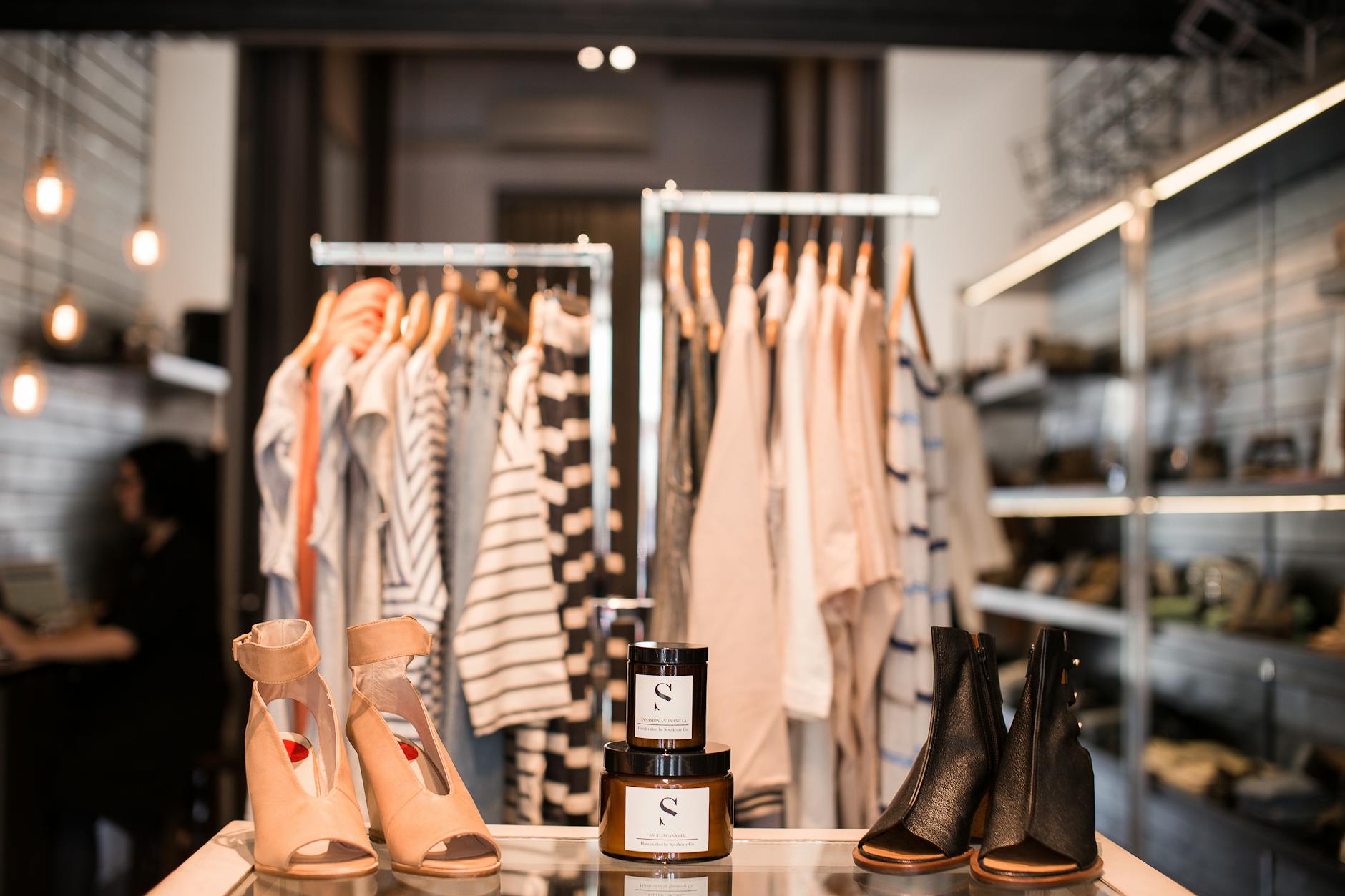
Boutique vs Store: Where to Find Your Next Favorite Outfit
Imagine this: You’re searching for that perfect dress for a special occasion. You walk into a sprawling department store, a sea of racks stretching out before you, each displaying the same popular brands. You spend an hour sifting through identical styles, feeling a growing sense of disappointment. Then, you step into a small, inviting boutique. The air feels different. The clothes are artfully arranged, each piece seeming to tell a story. Here’s the core difference when considering a boutique vs store: the experience, the selection, and the connection.
Last updated: April 21, 2026
The fundamental distinction between a boutique and a store lies in their approach to merchandise, customer service, and overall shopping environment. Boutiques typically focus on curated, often unique, selections from emerging designers or niche brands, emphasizing personalized attention. Stores, especially larger chains, offer broader selections of established brands, prioritizing volume and accessibility.
The Allure of the Boutique Experience
When you choose to shop at a boutique, you’re often signing up for more than just a transaction. you’re entering a curated world designed to inspire. These smaller establishments pride themselves on offering unique fashion pieces that you’re unlikely to see on everyone else. Think of it as discovering a hidden gem. The selections are carefully chosen by the owner or a dedicated buyer, often reflecting specific trends, aesthetics, or a passion for particular designers.
One of the most significant advantages is the personalized service. Staff at boutiques often have a keen eye for style and a deep understanding of their inventory. They can offer tailored recommendations, help you put together an outfit, and even suggest alterations to ensure a perfect fit. This level of attention is rare in larger retail settings. According to a report by Forbes (2023), independent boutiques are increasingly catering to consumers seeking authenticity and a departure from fast fashion.
What to Expect from a Traditional Store
Larger stores, whether department stores or chain retailers, operate on a different model. Their strength lies in variety and accessibility. You can typically find a lots of sizes, styles, and price points under one roof. For everyday essentials or when you know exactly what brand and item you’re looking for, a store can be incredibly efficient. They often have frequent sales and promotions, making them attractive for budget-conscious shoppers.
Brands like Zara and H&M, for example, offer vast selections of trendy clothing at accessible prices. They leverage economies of scale to provide a wide array of options. While you might not get the same personalized attention as in a boutique, the convenience of finding multiple items from well-known labels can be a major draw. According to data from the U.S. Census Bureau (2024), retail sales in clothing and clothing accessories stores reached billions of dollars annually, highlighting the sheer volume and reach of these establishments.
Curated Collections vs. Mass Market Appeal
The heart of the boutique vs store debate often comes down to the merchandise itself. Boutiques excel at offering curated collections. This means the items are thoughtfully selected, often in limited quantities, ensuring a sense of exclusivity. You might find pieces from designers like Vince or independent labels that aren’t widely distributed. These pieces are often of higher quality and designed to be more enduring wardrobe staples rather than fleeting trends.
Stores, conversely, cater to mass-market appeal. Their inventory is designed to sell in large volumes. While this means you’ll find plenty of options, it also means the styles are often more mainstream. The focus is on replicating popular trends quickly and affordably. You can be great for staying current with fashion, but it may lack the distinctive character that many shoppers seek.
 ▶
▶
HOW TO SHOP LOUIS VUITTON ONLINE VS. BOUTIQUE VS. DEPARTMENT STORE SHOPPING
The Role of Customer Service
Customer service is where the boutique experience truly shines. In a boutique, the staff are often passionate about fashion and dedicated to helping you find what you need. They build relationships with their customers, remembering preferences and offering styling advice that feels genuinely helpful. This personal touch can transform a shopping trip from a chore into a delightful experience.
In larger stores, customer service can be more hit-or-miss. While many employees are helpful, the sheer volume of customers and the operational structure of big retailers often mean less individualized attention. You might find yourself waiting for assistance or dealing with staff who are less familiar with the nuances of the entire product range. However, for straightforward returns or exchanges, the established processes in larger stores can be more efficient.
Price Points and Value: A Deeper Look
When comparing boutique vs store pricing, there’s often a noticeable difference. Boutiques, due to smaller production runs, potentially higher quality materials, and the personalized service they offer, tend to have higher price points. An item that might cost $50 at a large chain could be $150 or more at a boutique. However, it’s Key to consider the value. Boutique items are often more durable, unique, and may represent a better long-term investment in your wardrobe.
Stores often compete on price, offering more affordable options. Fast fashion retailers, in particular, are known for their low prices, making it easy to update your wardrobe frequently. However, the trade-off can be in quality and longevity. According to the Oxfam report (2023), the environmental and social costs of cheap, fast fashion are significant, prompting many consumers to reconsider their purchasing habits and seek more sustainable, higher-quality options.
Making the Choice: Practical Tips for Shoppers
Deciding whether to shop at a boutique or a store depends on your needs, budget, and what you prioritize in a shopping experience. Here are some practical tips:
- For Unique Finds: Head to a boutique. Look for local boutiques in areas known for their artisan shops or distinct style.
- For Everyday Essentials: Use larger stores for basic apparel, specific brand needs, or when you’re on a tight schedule.
- For Personalized Styling: Seek out a boutique. The staff can be invaluable style consultants.
- For Budget Shopping: Large stores often have better sales and clearance sections. However, don’t discount sample sales or end-of-season clearances at boutiques — which can offer significant savings on quality pieces.
- For Trend-Driven Items: Fast fashion stores excel here, but consider if the trend will last beyond a single season.
- For Investment Pieces: Boutiques are often the better choice for high-quality, timeless items that will last for years. Think of a classic trench coat or a well-tailored blazer.
When to Choose a Boutique
You should lean towards a boutique when you’re seeking something special. This could be a unique gift, an outfit for a significant event, or simply pieces that express your individual style. If you value craftsmanship, exclusivity, and a more intimate shopping environment, a boutique is your destination. It’s also a great way to support small businesses and independent designers.
Consider the rise of online boutiques as well. Many offer the curated selection and personalized feel of a brick-and-mortar store, accessible from your home. Platforms like Etsy, while not exclusively boutiques, host many small sellers offering unique, handcrafted items that align with the boutique ethos. According to a Statista report (2023), e-commerce continues to grow, with a significant portion of online sales coming from niche and specialty retailers.
When to Opt for a Store
A traditional store is often the better choice when you need to make a quick purchase, require a specific item from a known brand, or are working within a strict budget. If you’re buying multiple items for a family or stocking up on basics like t-shirts and jeans, the convenience and price of larger retailers are hard to beat. They provide a predictable shopping experience and a vast array of choices.
Frequently Asked Questions
what’s the main difference between a boutique and a store?
The main difference lies in scale and focus. Boutiques are smaller, offer curated selections, emphasize unique items, and provide personalized customer service. Stores are typically larger, offer a wider variety of mass-produced brands, and focus on volume and accessibility.
Are boutiques always more expensive than stores?
Generally, yes. Boutiques often have higher price points due to smaller production quantities, the uniqueness of the items, and the personalized service. However, the perceived value can be higher due to quality, exclusivity, and longevity.
Can I find trendy items at a boutique?
Yes, many boutiques stay on top of fashion trends, but they often interpret them through their unique aesthetic or focus on more elevated versions of trends. They may carry fewer trendy items compared to fast-fashion stores, but they’ll likely be more distinctive.
Is it better to shop at a boutique for special occasions?
Often, yes. Boutiques are ideal for special occasions because they offer unique pieces that help you stand out. The personalized styling advice can also be invaluable in ensuring you find the perfect outfit for your event.
How do I find good local boutiques?
Explore your local town or city center, check social media for local fashion influencers or hashtags, read local lifestyle blogs, and ask friends for recommendations. Many boutiques also have active Instagram pages showcasing their latest arrivals.
The Verdict: Your Style, Your Choice
In the end, the choice between a boutique vs store is a personal one, dictated by your shopping goals and preferences. Both offer distinct advantages. Boutiques provide a curated, personal, and often more exclusive shopping journey, perfect for finding unique pieces and receiving dedicated attention. Stores offer unparalleled convenience, variety, and often more budget-friendly options for everyday needs and popular brands.
Embracing both types of retail experiences can lead to a more balanced and interesting wardrobe. Don’t hesitate to explore the hidden gems in your local boutiques and then head to your favorite store for those essential items. The best approach is to understand what each offers and choose wisely based on what you’re looking for at any given moment.