
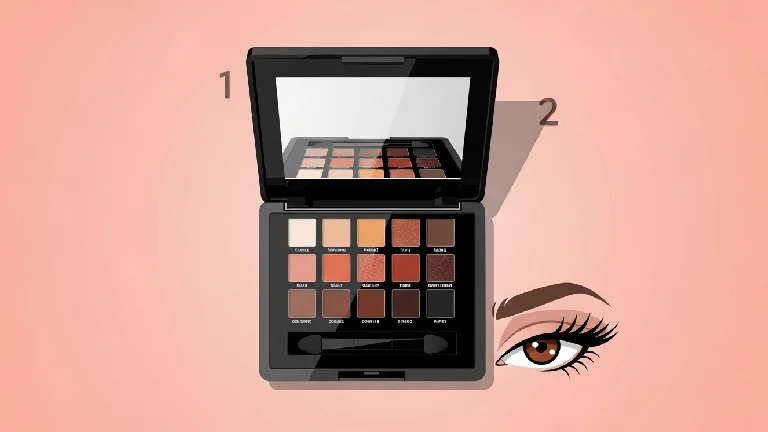
Makeup is more than just applying products—it’s a form of self-expression and confidence. Learning how to do makeup properly can completely transform how you feel and present yourself. Whether you’re a beginner touching makeup tools for the first time or someone who wants to improve technique, mastering the basics makes everything easier.
This guide breaks makeup down into simple, practical steps. You’ll learn how to prep your skin, apply products correctly, avoid common mistakes, and create a polished look that lasts all day. The goal is not perfection but enhancement—highlighting your natural features while keeping your routine simple and effective.
Understanding Makeup Basics Before You Start
Before applying anything, it’s important to understand what makeup actually does. Each product has a purpose, and when used correctly, it works together to create balance.
Makeup generally falls into five main categories:
-
Skin preparation
-
Base makeup
-
Eye makeup
-
Cheek products
-
Lip products
Knowing this structure helps prevent over-application and uneven results. Good makeup always starts with good skin prep and finishes with proper blending.
Step 1: Prepare Your Skin the Right Way
Skin preparation is the foundation of every successful makeup look. Skipping this step often leads to patchy, cakey, or short-lasting results.
Cleanse
Start with a clean face to remove oil, dirt, and residue. Clean skin allows makeup to sit smoothly instead of slipping off.
Moisturize
Hydrated skin improves texture and prevents dryness. Choose a moisturizer based on your skin type:
-
Oily skin: lightweight gel
-
Dry skin: cream-based moisturizer
-
Combination skin: balanced lotion
Primer
Primer creates a smooth base, minimizes pores, and improves longevity. Use a small amount and focus on areas where makeup tends to fade quickly.
How to Clean Makeup Brushes Like a Pro and Get Flawless Skin Every Time
Step 2: Create a Flawless Base
The base evens out your complexion and gives your makeup a polished finish.
Foundation
Choose a shade that matches your neck, not your hand. Apply in thin layers using a sponge, brush, or fingertips. Blend outward for a natural effect.
Concealer
Use concealer only where needed:
-
Under eyes
-
Around the nose
-
Blemishes or redness
Pat gently instead of dragging the product to avoid creasing.
Setting Powder
Lightly set your base with powder to control shine and lock makeup in place. Focus on oily areas rather than the entire face.
Step 3: Shape and Warm the Face
Adding dimension prevents the face from looking flat.
Bronzer
Apply bronzer where the sun naturally hits:
-
Cheek hollows
-
Forehead edges
-
Jawline
Blend thoroughly to avoid harsh lines.
Blush
Blush adds life and freshness. Smile lightly and apply to the apples of your cheeks, blending upward.
Highlighter
Use sparingly on high points like cheekbones and the bridge of the nose for a healthy glow.
Step 4: Eye Makeup Made Simple
Eyes often define the entire makeup look. Keep it balanced and clean.
Eyebrows
Fill sparse areas using light strokes that mimic hair. Avoid over-darkening for a natural finish.
Eyeshadow
Start with neutral shades if you’re new. Apply:
-
Light shade all over the lid
-
Medium shade in the crease
-
Dark shade on the outer corner
Blend until there are no harsh edges.
Eyeliner
Apply close to the lash line. Beginners can start with a thin line instead of a dramatic wing.
Mascara
Wiggle the wand from root to tip to separate lashes and add volume.
Step 5: Perfect the Lips
Lips complete the makeup look and balance the face.
Lip Preparation
Gently exfoliate and apply lip balm to avoid dryness.
Lip Color
Choose shades that suit your skin tone and occasion. Apply directly or with a brush for precision.
Lip Liner (Optional)
Lip liner helps define shape and prevents color from bleeding.
Makeup Tools and Their Purpose
Using the right tools improves application and saves time.
| Tool | Purpose | Best For |
|---|---|---|
| Makeup Sponge | Blending base products | Natural finish |
| Foundation Brush | Even coverage | Liquid foundation |
| Eyeshadow Brush | Color placement | Blending shades |
| Angled Brush | Brow shaping | Precision |
| Lip Brush | Defined lips | Clean edges |
Common Makeup Mistakes to Avoid
Even experienced users make mistakes. Avoid these common issues:
-
Using the wrong foundation shade
-
Applying too much product at once
-
Skipping skin preparation
-
Not blending enough
-
Overdoing contour and highlight
Correcting these habits instantly improves results.
Day Makeup vs Evening Makeup
Understanding the difference helps you adapt your routine.
| Feature | Day Makeup | Evening Makeup |
|---|---|---|
| Coverage | Light to medium | Medium to full |
| Eye Colors | Neutral tones | Bold or smoky |
| Lip Shades | Soft or nude | Deep or vibrant |
| Finish | Natural | Dramatic |
How to Make Makeup Last Longer
Longevity matters, especially for long days or events.
-
Prep skin properly
-
Use thin layers
-
Set with powder
-
Avoid touching your face
-
Finish with a setting spray
These steps keep makeup fresh for hours.
Makeup According to Skin Type
Choosing products based on skin type prevents problems.
-
Oily skin: matte formulas
-
Dry skin: hydrating products
-
Sensitive skin: fragrance-free options
-
Combination skin: balanced formulas
Listening to your skin improves comfort and appearance.
Makeup Is a Skill You Can Learn
Makeup improves with practice. Don’t rush the process or compare yourself to others. Everyone learns at a different pace, and small improvements add up quickly.
Confidence grows when you understand what works for your face and lifestyle.
FAQs
1. How long does it take to learn how to do makeup properly?
Learning basics can take a few weeks, but mastering techniques improves with regular practice and experimentation.
2. Can beginners do makeup without professional tools?
Yes, beginners can achieve great results using basic tools like a sponge, brush, and clean fingers.
3. Is makeup harmful for skin if used daily?
Makeup is safe when applied on clean skin and removed properly at the end of the day.
4. How can I choose the right foundation shade?
Test foundation on your jawline and check it in natural light for the best match.
5. Should makeup look the same for every face shape?
No, makeup should enhance individual features and adapt to different face shapes and structures.
Conclusion
Learning how to do makeup is not about following strict rules—it’s about understanding your face, choosing the right products, and applying them with confidence. When done correctly, makeup enhances natural beauty instead of hiding it.
By following the steps in this guide, you can build a routine that feels easy, looks polished, and fits your lifestyle. With patience and practice, makeup becomes less of a task and more of a creative, enjoyable experience.