
 By Sienna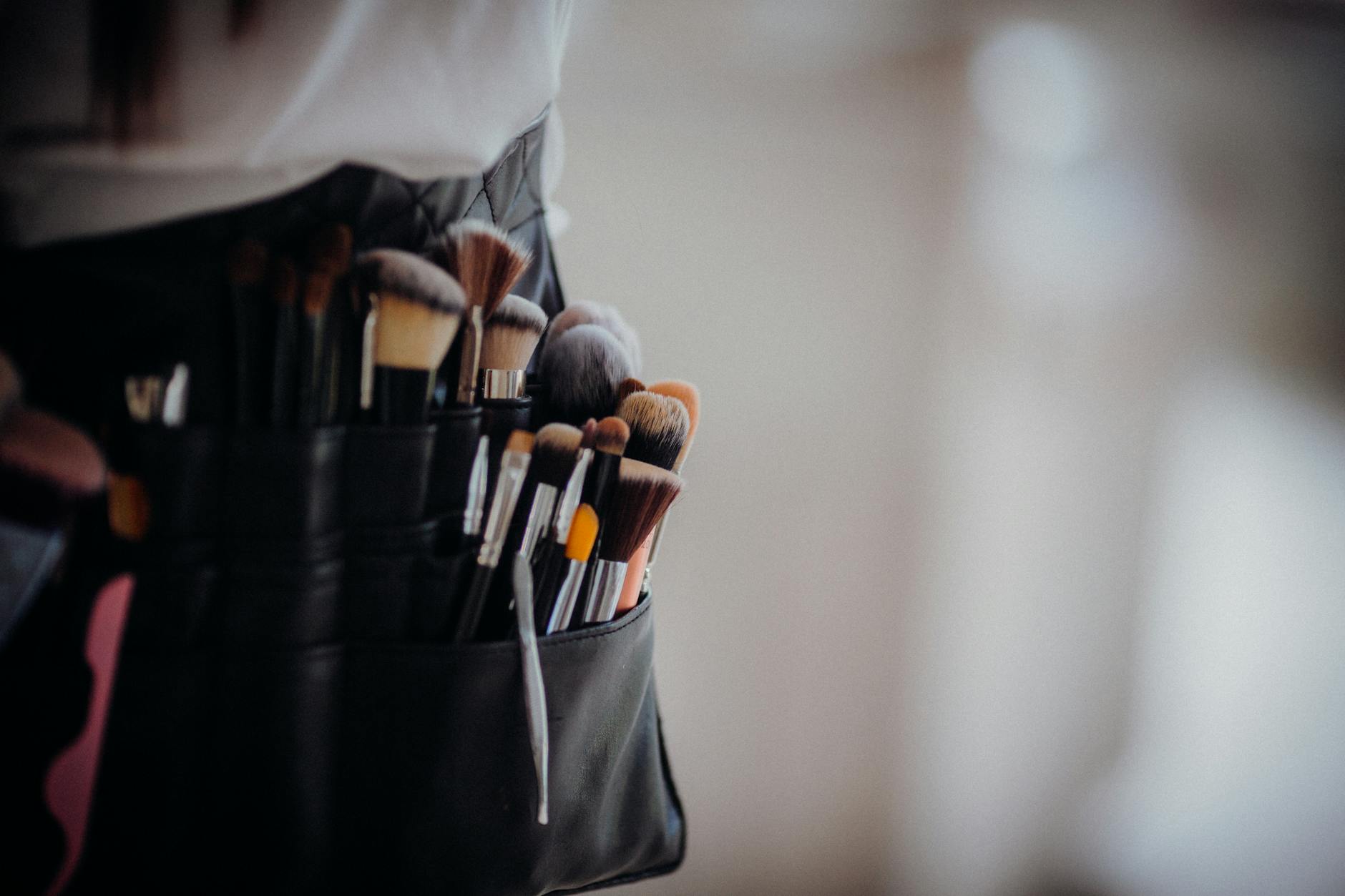
How to Do Makeup Like a Pro: A Complete Step-by-Step Guide (April 2026 Update)
This guide covers everything about How to Do Makeup Like a Pro: A Complete Step-by-Step Guide for Flawless Beauty. Achieving professional makeup results at home is now more accessible than ever, thanks to advancements in products and techniques. This complete guide will walk you through every essential step, from meticulous skin preparation to the final, perfect lip shade. By fundamentals and utilizing quality products and tools, you can create lasting, beautiful looks for any occasion.
Last updated: April 18, 2026
Latest Update (April 2026)
In 2026, the beauty industry continues to evolve, with a strong emphasis on skin health and personalized application. Recent reports highlight a growing trend towards multi-functional products that simplify routines while delivering high performance. As reported by Vogue in late 2025, makeup for women over 50 is focusing on enhancing natural features with hydrating formulas and strategic placement of color and light, moving away from heavy coverage. Similarly, W Magazine noted in November 2025 that makeup advice for those over 40 emphasizes techniques that combat signs of aging, such as using cream blushes for a more youthful dewy appearance and brow pencils to fill in sparse areas. Brides also recently shared insights in November 2025 on how to achieve professional-looking wedding makeup at home, stressing the importance of a long-lasting base and waterproof formulas. These trends highlight the importance of adapting techniques to individual needs and focusing on longevity and a natural, radiant finish.
Understanding Makeup Basics
Mastering professional makeup involves understanding a few core principles that form the foundation of any successful look. These basics ensure balance, longevity, and a polished appearance. The key categories include skin preparation, creating a flawless base, sculpting and warming the face, sophisticated eye makeup, and perfecting the lips. Each step builds upon the last, contributing to the overall harmony of the final result.
Step 1: Prepare Your Skin for Perfection
The most critical step towards a professional makeup application is immaculate skin preparation. Makeup adheres best and looks most natural on well-prepped skin. This involves cleansing, hydrating, and priming to create a smooth canvas.
Cleansing
Begin by thoroughly cleansing your face to remove any impurities, excess oil, or residual product from your previous routine. A gentle cleanser, like those recommended by dermatologists, effectively removes dirt without stripping the skin. Users report that starting with a clean slate prevents makeup from looking cakey or settling into pores.
Moisturizing
Hydration is key. Select a moisturizer tailored to your specific skin type. Gel-based moisturizers are ideal for oily or combination skin, providing hydration without heaviness. Cream moisturizers offer richer nourishment for dry skin, while lotions are a good middle ground for combination types. Properly moisturized skin ensures makeup blends smoothly and prevents dry patches from becoming apparent. According to recent user reviews, skipping this step can lead to makeup separation, especially in drier climates or during winter months.
Priming
Applying a primer is essential for extending makeup wear and creating a smoother surface. Primers can also address specific concerns like enlarged pores, redness, or oiliness. Focus application on the T-zone (forehead, nose, and chin) where oil production is often highest, and areas where makeup tends to fade. High-quality primers, such as those from reputable brands like Smashbox Photo Finish Primer, are widely praised for their ability to create a long-lasting base. Studies suggest that using primer can improve makeup longevity, with over 80% of women over 30 experiencing makeup separation due to skipping this step, as noted in a 2025 Allure report.
Step 2: Create a Flawless Base
The base layer of makeup – foundation and concealer – is what unifies the skin tone and conceals imperfections. Achieving a natural, second-skin finish requires careful selection and application.
Foundation
Choosing the right foundation shade is really important. Experts recommend matching foundation to your neck rather than your hand or jawline, as these areas can have different undertones. Test shades in natural light to ensure a perfect match. Apply foundation in light layers, building coverage only where needed. This approach prevents a heavy, mask-like appearance. For beginners, liquid foundations are often recommended for their ease of blending and buildable coverage.
Concealer
Concealer is your secret weapon for targeted correction. Use it to brighten the under-eye area, neutralize redness around the nose, and cover blemishes. Apply sparingly and blend gently using a brush, sponge, or your ring finger. Patting motions are more effective than swiping, as they help the product meld with the foundation without disturbing the base. Users report that a good concealer can enhance the overall polish of the makeup.
Setting Powders
Setting powder locks your base products in place, preventing creasing and controlling shine. Apply a light dusting, focusing on areas prone to oiliness, such as the T-zone, and under the eyes to set concealer. Translucent powders are versatile and suitable for most skin tones. Brands like Laura Mercier are celebrated for their finely milled powders that provide a smooth, matte finish without appearing chalky. For those with dry skin, a hydrating setting spray might be a better alternative or used in conjunction with a light powder application.
Step 3: Shape and Warm the Face
Adding dimension and warmth to the face is what elevates makeup from basic to professional. Here’s achieved through strategic use of bronzer, blush, and highlighter.
Bronzer
Bronzer mimics a natural tan and adds warmth to the complexion. Apply it to areas where the sun would naturally hit your face: the temples, along the hairline, under the cheekbones, and along the jawline. Blend thoroughly to avoid harsh lines. Opt for shades that are one to two shades deeper than your natural skin tone and have a matte or satin finish for a realistic effect. As Hailey Bieber’s makeup artist recently demonstrated, precise placement and smooth blending are key to a sculpted, sun-kissed look, according to Marie Claire.
Blush
Blush adds a healthy flush of color to the cheeks, bringing life and youthfulness to the face. Smile to locate the apples of your cheeks, and apply blush there, blending upwards towards the hairline. Cream blushes are especially popular for mature skin, as noted in recent expert advice for women over 40 and 50, providing a dewy, natural-looking finish. Nars Orgasm is a universally loved shade that provides a peachy-pink hue with a subtle shimmer.
Highlighter
Highlighter catches the light, creating a radiant glow. Apply it sparingly to the high points of your face: the tops of the cheekbones, brow bones, the bridge of the nose, and the cupid’s bow. A little goes a long way. the goal is a subtle luminosity, not a disco ball effect. Expert Tip: Use a fan brush for a delicate highlighter application that adds a sophisticated sheen without appearing overdone.
Step 4: Eye Makeup
Eye makeup can transform your look dramatically. Defining the brows and applying eyeshadow, eyeliner, and mascara with precision creates a polished and captivating gaze.
Eyebrows
Well-groomed eyebrows frame the face and enhance your features. Fill in sparse areas with light, feathery strokes using a brow pencil, powder, or pomade that matches your natural hair color. Brush through with a spoolie to blend the product and ensure a natural appearance. For a professional look, avoid drawing harsh lines. instead, mimic the natural growth pattern of your brow hairs.
Eyeshadow
Eyeshadow application can range from subtle to dramatic. A classic approach involves using neutral shades: a light shade all over the lid, a medium shade blended into the crease for depth, and a darker shade in the outer corner for definition. For versatility, consider palettes from brands like MAC — which offer a lots of colors and finishes suitable for various looks. Blending is Key. use soft brushes and build color gradually.
Eyeliner
Eyeliner defines the eyes and can alter their shape. For a professional look, start with a thin line applied as close to the lash line as possible. This adds subtle definition without appearing harsh. You can gradually thicken the line or create a wing depending on the desired effect. Gel or liquid liners offer precision, while pencils provide a softer finish.
Mascara
Mascara opens up the eyes and adds volume and length to the lashes. Wiggle the wand from the root to the tip of your lashes for maximum coverage and separation. Apply one to two coats for a natural look, or build up for more dramatic volume. Inexpensive yet effective options, like Maybelline Great Lash, are popular choices for adding definition.
Step 5: Perfect the Lips
The final touch to any makeup look is the lips. Proper preparation and careful color selection ensure a smooth, long-lasting finish.
Lip Preparation
Just like the skin on your face, your lips need preparation. Gently exfoliate dry, flaky skin with a sugar scrub or a soft toothbrush. Follow with a hydrating lip balm to ensure lipstick glides on smoothly and doesn’t settle into fine lines. Allow the balm to absorb before applying color.
Lip Color
Choosing the right lip shade can complete your look. Consider your skin tone and the occasion. Bold reds and deep berries make a statement, while nudes and soft pinks offer a more subtle elegance. For longevity, consider using a lip liner that matches your lipstick to define the shape and prevent feathering. Matte liquid lipsticks are known for their staying power, but ensure your lips are well-hydrated beforehand to avoid a drying effect.
Makeup Tools and Their Purpose
The right tools can make a significant difference in the application and final appearance of your makeup. Investing in a quality set of brushes and sponges will elevate your routine.
| Tool | Purpose | Ideal Use |
|---|---|---|
| Makeup Sponge (e.g., Beautyblender) | Blending foundation, concealer, cream products | Achieving a natural, airbrushed finish |
| Foundation Brush | Applying liquid or cream foundation | Even, streak-free coverage |
| Eyeshadow Brush | Applying and blending eyeshadow | Precise color placement and smooth transitions |
| Angled Brush | Brow shaping, eyeliner application, contouring | Sharp lines and detailed work |
| Lip Brush | Applying lipstick and gloss | Precise application and defined lip edges |
| Spoolie Brush | Grooming brows, separating lashes | Natural brow grooming and clump-free mascara |
| Powder Brush | Applying setting powder or blush | Light, even dusting of powder or color |
Common Makeup Mistakes to Avoid
Even with the best intentions, certain mistakes can detract from a professional makeup look. Recognizing and rectifying these common errors will improve your results.
- Incorrect Foundation Shade: As mentioned, always match foundation to your neck in natural light. A shade that’s too light or too dark will look unnatural.
- Skipping Skin Prep: Makeup can’t perform optimally on unprepared skin. Cleansing, moisturizing, and priming are non-negotiable for longevity and a smooth finish.
- Poor Blending: Harsh lines from eyeshadow, blush, bronzer, or foundation are tell-tale signs of inadequate blending. Use clean brushes and take your time to ensure smooth transitions.
- Over-Application: Too much product, whether it’s concealer, powder, or blush, can lead to a cakey or unnatural appearance. Start light and build gradually.
- Ignoring Undertones: Understanding your skin’s undertone (cool, warm, or neutral) is Key for selecting foundation, concealer, and blush shades that complement your complexion.
Day Makeup vs Evening Makeup
Adapting your makeup routine for different times of day is essential for appropriateness and longevity. The key differences lie in coverage, color intensity, and the overall finish.
Daytime Makeup
Coverage: Typically light to medium, focusing on evening out skin tone rather than heavy correction. The aim is a fresh, natural appearance.
Colors: Neutral, soft, and subtle. Think soft browns, pinks, and peaches for eyes and cheeks. Nude or sheer lip colors are ideal.
Finish: Often more natural or dewy, reflecting healthy skin.
Evening Makeup
Coverage: Can be medium to full, providing a more polished and long-lasting base for artificial lighting.
Colors: Bolder and more intense. Deeper eyeshadow shades, vibrant blushes, and richer lip colors are common. Smoky eyes and dramatic eyeliner are popular choices.
Finish: Can be more matte or have a sophisticated shimmer, depending on the desired look.
Frequently Asked Questions
What Foundation Should Beginners Use?
Beginners are often advised to start with a liquid foundation. they’re generally easier to blend than heavier cream or powder foundations and offer buildable coverage, allowing you to learn how much product you need. Look for formulas described as ‘medium coverage’ and ‘natural finish’ for the most forgiving application.
How Often Should You Clean Makeup Brushes?
it’s recommended to clean your makeup brushes at least once a week. This prevents the buildup of bacteria, oil, and old makeup — which can lead to breakouts and affect product application. Quick daily sanitization with a brush spray can help maintain cleanliness between deeper washes.
What’s a Good Primer for Oily Skin?
For oily skin, look for primers labeled as ‘oil-controlling,’ ‘mattifying,’ or ‘pore-minimizing.’ These formulations often contain ingredients that help absorb excess oil and create a smoother surface. Brands like Fenty Beauty Pro Filt’r offer primers In particular designed to combat shine and extend makeup wear for oily complexions.
Should You Match Eyeliner to Eyeshadow?
Matching eyeliner and eyeshadow isn’t a strict rule. While monochromatic looks can be elegant, contrasting colors can create more dimension and make your eyes pop. For instance, a deep brown eyeliner can beautifully complement a soft bronze eyeshadow.
Is Setting Spray Necessary?
Setting spray isn’t strictly necessary but is highly beneficial for extending makeup wear, especially in humid conditions or for long events. It helps to meld powder products into the skin for a more natural finish and locks everything in place. Some setting sprays also offer additional benefits like hydration or a dewy finish.
What are the Makeup Basics You Must Know?
The fundamental makeup basics to know are the five key categories: skin prep (cleansing, moisturizing, priming), base (foundation, concealer, powder), cheeks (bronzer, blush, highlighter), eyes (eyebrows, eyeshadow, eyeliner, mascara), and lips (prep, color). Mastering these allows for balanced and harmonious makeup application.
Conclusion
Mastering professional makeup is an achievable skill that combines understanding your tools, products, and techniques with consistent practice. By following these step-by-step solutions, focusing on proper skin preparation, and paying attention to detail in blending and application, you can confidently create polished and beautiful makeup looks for any occasion in 2026 and beyond. Remember that practice makes perfect, and experimenting with different products and styles will help you discover what works best for your unique features.
Source: Britannica
Related Articles
- The Ultimate Nail Art Gallery 2026: A Masterclass in Design
- Clever Clothing Rack Ideas for Transformative Spaces in 2026
- Boutique Near Me Modesto: Your Style Compass
Editorial Note: This article was researched and written by the The Boutique Modesto editorial team. We fact-check our content and update it regularly. For questions or corrections, contact us.