
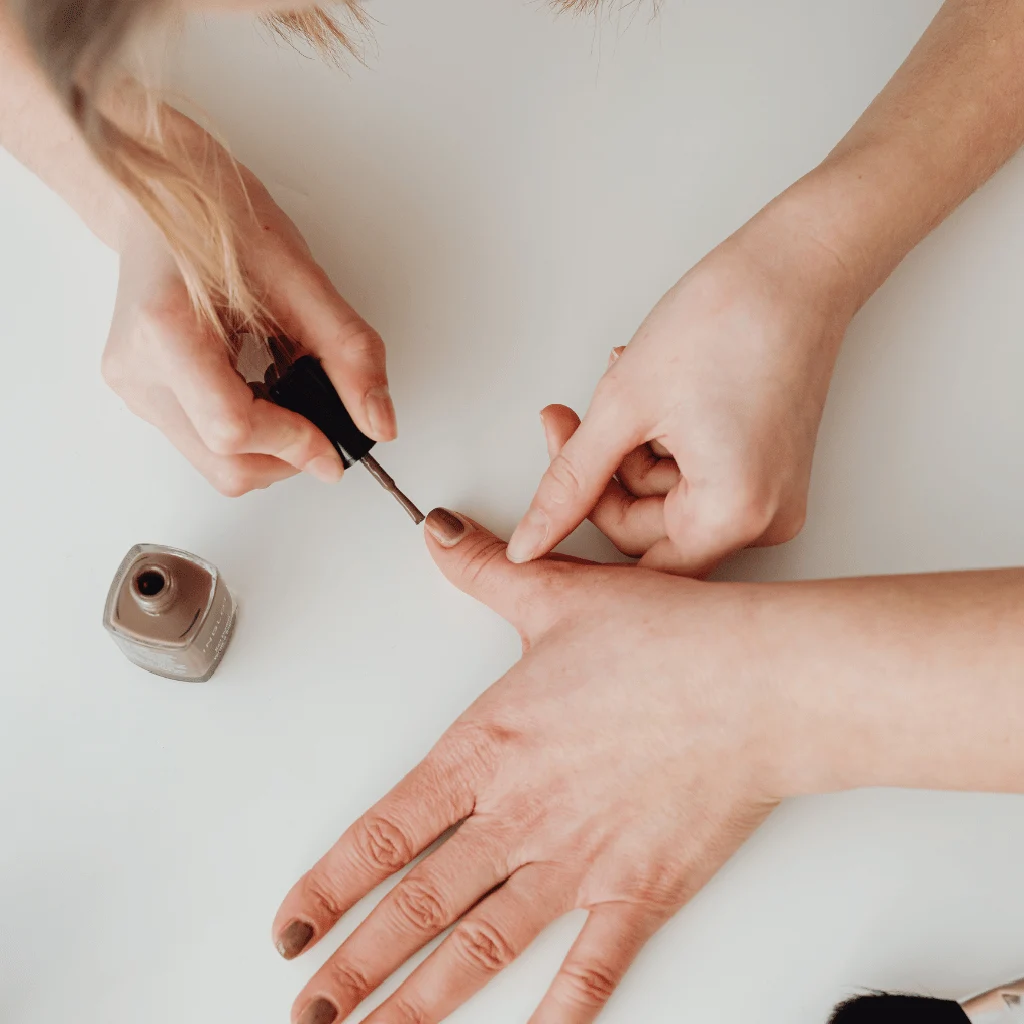
Gel Nail Polish: Safe Removal at Home for Healthier Nails 2026

nail care routine

This guide covers everything about How to Remove Gel Nail Polish Safely at Home. Gel nail polish offers a durable, glossy finish that lasts for weeks, making it a popular choice for many. However, the removal process requires specific care to prevent damage to your natural nails. If you want to remove gel nail polish safely at home, follow these steps: use an acetone soak-off method and avoid peeling to protect your nails. Read on for a detailed guide and why it matters, incorporating the latest insights for 2026.

Last updated: April 18, 2026

Latest Update (April 2026)

Recent reports highlight ongoing discussions regarding the safety of gel manicures. As PolitiFact reported in March 2026, concerns persist about UV lights and certain chemicals used in gel polish formulations. Also, The Healthy @Reader’s Digest noted in April 2026 a recall of certain nail polish removers due to ingredients that have been identified as potentially harmful. These developments highlight the importance of informed choices and safe practices, especially during the removal process, to mitigate potential risks to nail health and overall well-being. As reported by azcentral.com and The Arizona Republic in February 2026, new health concerns are emerging, emphasizing the need for consumers to stay informed about the products they use.

Why Is Removing Gel Nail Polish Different?

The removal process for gel nail polish differs from traditional lacquers because gel polish chemically bonds to your natural nail through a curing process under a UV or LED lamp. This curing solidifies the gel, creating a durable layer that standard polish removers can’t effectively break down. This solid bond is what gives gel manicures their impressive longevity and resistance to chipping.

This strong adhesion means that simply wiping or buffing away gel polish is usually ineffective and can lead to aggressive filing that thins and weakens the nail plate. The unique properties of gel polish lead to several key considerations during removal:

  • Resilient Bond: The cured gel forms a tough layer that requires a specific solvent to dissolve it.
  • Complex Removal: Unlike regular polish, gel necessitates a more involved process.
  • Potential for Nail Damage: Improper or forced removal, especially peeling, can strip away layers of the natural nail, leading to thinning, brittleness, and ridges.

Patience and a gentle approach are really important to avoid harm and ensure your nails remain healthy after the gel polish is removed.

Preparation for Safe Gel Removal

To ensure a smooth and safe gel nail polish removal experience, it’s essential to gather all necessary tools beforehand. Having these items readily available will prevent interruptions and help you maintain a consistent, gentle approach throughout the process.

Essential Tools for Gel Removal:

  • 100% Pure Acetone: This is the most effective solvent for breaking down gel polish. Ensure it’s pure acetone for optimal results.
  • Cotton Balls or Pads: You’ll need these to apply the acetone to your nails.
  • Aluminum Foil or Reusable Gel Clips: These are used to secure the soaked cotton to your nails, creating a warm, contained environment for the acetone to work.
  • Nail File (180-240 grit): A medium-grit file is perfect for gently buffing off the top coat of the gel polish, allowing the acetone to penetrate.
  • Cuticle Pusher or Orangewood Stick: Once the gel has softened, these tools help to gently push away the loosened polish without damaging the nail bed.
  • Buffer: A fine-grit buffer can be used at the end to smooth the nail surface.
  • Cuticle Oil: Essential for rehydrating and nourishing the nails and surrounding skin after the drying effects of acetone.

Optional but Recommended Extras:

  • Small Bowl for Warm Acetone: For those who prefer a slightly accelerated soak-off, a bowl to warm the acetone indirectly can be helpful.
  • Hand Cream: For additional moisturizing after the entire process.
  • Old Towel: To protect your workspace from spills.

Having these items prepared will make the removal process more efficient and less likely to cause damage to your natural nails.

The Acetone Soak-Off Method: The Gold Standard

The acetone soak-off method is widely recommended by nail technicians and experts as the safest and most effective way to remove gel nail polish at home. While it requires patience, this method minimizes the risk of damaging your natural nail plate.

Step-by-Step Acetone Soak:

  1. File the Top Coat: Using a 180-240 grit nail file, gently buff away the shiny top layer of the gel polish. The goal is to break the seal of the gel, not to file down to the natural nail. This allows the acetone to penetrate the gel more effectively.
  2. Prepare the Soak: Saturate cotton balls or pads generously with 100% pure acetone. Avoid over-saturating to prevent excessive dripping.
  3. Apply and Wrap: Place a soaked cotton piece over each nail, ensuring it covers the entire gel surface. Then, wrap each fingertip with a small piece of aluminum foil, shiny side facing inward, or secure with reusable gel clips. This traps the acetone and body heat, creating an optimal environment for dissolving the gel.
  4. Wait Patiently: Allow the acetone to work for approximately 10-15 minutes. The exact time can vary depending on the brand of gel polish and how many layers were applied.
  5. Check and Gently Push: After 10-15 minutes, unwrap one nail to check the gel’s consistency. If it has softened and appears to be lifting or bubbling, use a cuticle pusher or orangewood stick to gently nudge the softened gel off the nail. don’t force it. If the gel is still hard, re-wrap the nail and soak for another 5-10 minutes.
  6. Cleanse and Hydrate: Once all the gel is removed, wash your hands thoroughly with soap and water to remove any acetone residue. Apply a generous amount of cuticle oil to rehydrate your nails and surrounding skin.

This method, when performed correctly, ensures that the gel is dissolved rather than forcibly removed, preserving the integrity of your natural nails.

Considering a Warm Acetone Soak

Some individuals find that slightly warming the acetone can expedite the gel removal process. This technique can be beneficial if you’re pressed for time, but it’s Key to prioritize safety, as acetone is highly flammable.

How to Warm Acetone Safely:

  1. Create a Double Boiler: Fill a larger bowl with warm (not boiling) water.
  2. Add Acetone Bowl: Place a smaller, heat-resistant bowl containing the 100% pure acetone inside the larger bowl of warm water.
  3. Soak Nails: Once the acetone has reached a comfortably warm temperature (test on your wrist first), proceed with the soak-off method as described above. Soak your nails for about 10 minutes.

Important Safety Note: Never heat acetone directly over a flame or on a stovetop, as it’s highly flammable and can ignite. Always ensure good ventilation in the area where you’re using acetone.

Alternative: Non-Acetone Gel Removal

While acetone is the most efficient solvent, a non-acetone method is possible for gel polish removal, although it typically requires more time and patience, especially for thicker gel formulations or multiple layers.

The Filing and Buffing Method:

  1. Gentle Filing: Use a medium-grit nail file (180-240 grit) to carefully file away the majority of the gel polish. Focus on removing the top coat and subsequent layers, but be extremely careful not to file down to or damage the natural nail bed.
  2. Frequent Inspection: Regularly check your progress. Stop filing immediately if you see the natural nail underneath or if you experience any discomfort.
  3. Buffing: Once most of the gel is filed off, use a fine-grit buffer to smooth the nail surface and remove any remaining traces of color.
  4. Hydration: Follow up with cuticle oil and hand cream to restore moisture.

This method can be a safer alternative for individuals with sensitive skin or those who want to avoid acetone. However, it’s less effective for very thick or stubborn gel polishes and carries a higher risk of over-filing the natural nail if not done with extreme caution.

Common Mistakes to Avoid During Gel Removal

Improper removal techniques are the leading cause of damage to natural nails after gel manicures. Avoiding these common pitfalls is Key for maintaining nail health.

Mistakes to Steer Clear Of:

  • Peeling or Picking Gel Off: This is perhaps the most damaging mistake. When you peel gel polish, you often take layers of your natural nail with it, leading to thinning and weakness.
  • Over-Filing: Aggressively filing the gel polish or the natural nail can remove essential layers of the nail plate, making it brittle and prone to breakage. Always use a gentle touch and a fine-grit file.
  • Using Aggressive Metal Tools: While metal cuticle pushers can be useful, using them too forcefully or with excessive pressure can scratch and damage the nail bed. Stick to gentle pushing motions.
  • Skipping Aftercare: Acetone can be drying. Neglecting to rehydrate your nails and cuticles with oil and moisturizer after removal leaves them vulnerable and prone to damage.
  • Frequent, Back-to-Back Gel Applications: Constantly wearing gel polish without giving your nails a break can weaken them over time.
  • Ignoring Nail Health: If your nails feel tender, weak, or damaged, it’s a sign to pause gel applications and focus on recovery.

Remember, it’s usually the removal process, not the gel polish itself — that causes the most significant damage. Taking your time and using the right techniques are key.

How Often Should You Remove Gel Nail Polish?

To maintain optimal nail health, it’s advisable to give your nails a break from gel polish periodically. Constant wear can weaken the nail plate and make it more susceptible to damage.

  • Take Breaks: Experts recommend taking a break after every 2-3 gel applications. This allows your nails to rehydrate and recover.
  • Use Strengthening Treatments: During these breaks, consider using nail strengtheners or nourishing treatments to fortify your nails.
  • Listen to Your Nails: If your nails feel tender, look discolored, or seem excessively thin, it’s a clear signal to skip the next gel application and focus on recovery.

Giving your nails this recovery time is essential for their long-term health and resilience.

Recovering Your Nails After Gel Removal

Once the gel polish is completely removed, your natural nails might feel a bit dry or compromised. Implementing a proper aftercare routine is vital for restoring their strength and health.

Post-Removal Nail Care:

  • Daily Cuticle Oil Application: Apply cuticle oil at least twice a day, especially after washing your hands. Massage it into the nail bed and cuticle area to deeply moisturize and promote healthy nail growth.
  • Rich Hand Cream: Use a thick, nourishing hand cream before bed to provide intensive hydration overnight.
  • Avoid Harsh Chemicals: For at least 24-48 hours after gel removal, try to avoid prolonged contact with harsh cleaning chemicals or solvents. Wear gloves when doing household chores.
  • Gentle Handling: Be gentle with your nails during this recovery period. Avoid using them as tools or exposing them to unnecessary stress.
  • Consider Nail Treatments: For especially damaged nails, a nail strengthening treatment or a nourishing balm can be beneficial.

With consistent care, your nails can quickly regain their strength, smoothness, and healthy appearance.

Frequently Asked Questions

Can I remove gel polish without damaging my nails?

Yes, you can remove gel polish without damage by using the proper acetone soak-off method. Gently filing the top coat, soaking with acetone, and carefully pushing off the softened gel, followed by thorough moisturizing, are key steps to ensure nail health.

How long should I wait before reapplying gel polish?

It’s generally recommended to give your nails a break of at least 1-2 weeks between gel applications. This allows your nails to recover, rehydrate, and regain strength. For nails that feel compromised, extend this break period.

Is it safe to use acetone frequently for removal?

While 100% pure acetone is effective, frequent use can dry out your nails and cuticles. Moderate use, combined with diligent aftercare like applying cuticle oil and moisturizer, is generally considered safe for most individuals. However, always monitor your nail’s condition.

What if gel polish doesn’t come off easily?

If the gel polish isn’t softening sufficiently after the initial soak, don’t force it. Re-wrap the nail with fresh acetone-soaked cotton and foil/clips, and soak for an additional 5-10 minutes. Patience is key to avoiding damage.

Are there any health concerns associated with gel manicures?

As reported by Time Magazine in September 2025 and azcentral.com in February 2026, experts have discussed potential risks associated with gel manicures, including concerns about UV light exposure and certain chemicals. Staying informed about product ingredients and using protective measures can help mitigate these risks. The EU has also taken regulatory action, as noted by PBS in September 2025, banning certain chemicals, indicating an evolving understanding of nail product safety.

Expert Tip: Always perform gel removal in a well-ventilated area, especially when using acetone, to minimize inhalation of fumes.

Conclusion

Removing gel nail polish safely at home is achievable with the right techniques and a commitment to patience. The acetone soak-off method remains the most effective and least damaging approach when performed correctly. By avoiding common mistakes like peeling and over-filing, and by prioritizing post-removal nail care, you can maintain healthy, strong nails even with regular gel manicures. Staying informed about product safety, as highlighted by recent news reports from 2026, further empowers you to make safe choices for your beauty routine.

Source: Britannica

Related Articles

Editorial Note: This article was researched and written by the The Boutique Modesto editorial team. We fact-check our content and update it regularly. For questions or corrections, contact us.

By Sienna

2 is a writer and editor at The Boutique Modesto with years of experience in digital publishing. 2 specializes in creating thoroughly researched, fact-checked content that helps readers make informed decisions. Every article goes through rigorous editorial review before publication.