Luxury Handbag Investments 2026: Profiting From Your Wardrobe
This guide covers everything about Luxury Handbag Investments 2026: Why Your Closet is Your Best Portfolio. As of April 2026, the investment landscape continues to evolve, and for the savvy consumer, luxury handbags offer more than just aesthetic appeal. they represent a surprisingly lucrative financial strategy. High-end designer bags have demonstrated remarkable appreciation in value, often rivaling and sometimes surpassing traditional investment vehicles like stocks and bonds. This trend transforms your personal collection into a potentially wise and stylish portfolio choice.
Last updated: April 18, 2026
Latest Update (April 2026)
Recent reports highlight the enduring strength of the luxury handbag market as an investment class. According to Vogue’s 2026 Guide To The Designer Handbags That Will Stand The Test Of Time, published on April 1, 2026, the focus remains on iconic pieces that possess timeless appeal and strong resale value. As reported by Market Watch via Vogue on March 27, 2026, certain handbags are consistently showing the highest resale values, driven by a combination of brand heritage, limited production, and sustained demand. This reinforces the idea that strategic handbag acquisition can yield significant financial returns. and, as The Australian Financial Review noted on April 17, 2026, even niche markets and emerging brands are finding success by addressing specific gaps in the luxury handbag sector, indicating a dynamic and expanding industry. This suggests that while established players maintain their dominance, there are opportunities for well-researched investments across a broader spectrum of the market, a trend that Australian brands are actively capitalizing on.
How Do Luxury Handbags Perform Better Than Stocks?
Luxury handbags often demonstrate superior performance compared to traditional stock market investments due to a confluence of factors, chief among them being scarcity and profound brand prestige. Unlike publicly traded stocks — which can be highly volatile and subject to rapid market fluctuations, the value of certain luxury handbags tends to be more stable, especially during economic downturns. This inherent resilience attracts investors seeking to diversify their portfolios with assets that tend to hold their value or even appreciate over time. The desirability of these items isn’t solely dictated by market sentiment but by tangible qualities such as exceptional craftsmanship, limited production runs, and the aspirational status associated with owning a piece from a renowned maison. This intrinsic demand, coupled with the physical nature of the asset, provides a different kind of security than purely financial instruments. Reports from financial analysts suggest that while the stock market can offer high growth, it also carries inherent risks that can be mitigated by diversifying into tangible luxury assets with proven track records of value retention and appreciation.
Which Handbags Offer the Best Returns in 2026?
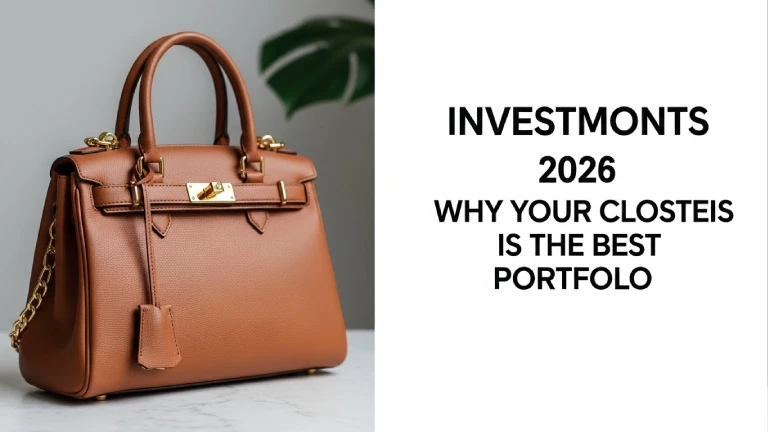
In 2026, several iconic models continue to lead the luxury handbag investment market, commanding significant attention from collectors and investors alike. The Hermès Birkin, the Chanel Classic Flap, and increasingly, the Telfar bag, are frequently cited for their strong appreciation potential. While specific percentages can fluctuate based on condition, color, material, and market demand, these bags consistently show solid annual appreciation rates. Reports indicate that top-tier models can see annual appreciation ranging from 10% to as high as 25% for highly sought-after pieces. As highlighted in various fashion expert guides, such as those from Harper’s BAZAAR (February 2, 2026) and Woman & Home (November 27, 2025), these are the models that experts consistently recommend for investment purposes.
| Brand & Model | Material | Market Demand | Estimated Annual Appreciation (2026) |
|---|---|---|---|
| Hermès Birkin (e.g., 25cm, Togo Leather) | Togo Leather, Epsom Leather, Exotic Skins | Exceptional | 15% – 25% |
| Chanel Classic Flap (e.g., Medium/Large) | Caviar Leather, Lambskin | Very High | 10% – 12% |
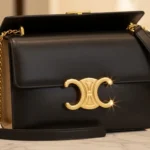
| Louis Vuitton Capucines | Taurillon Leather, Exotic Skins | High | 5% – 8% |
| Dior Lady Dior | Cannage Lambskin, Exotic Skins | High | 4% – 7% |
| Telfar Shopping Bag (Large) | Vegan Leather | High and Growing | Variable, strong resale |
Worth knowing that while the Birkin and Kelly bags from Hermès are renowned for their consistent and significant appreciation, the Chanel Classic Flap remains a benchmark for stable growth. Louis Vuitton’s Capucines, with its structured silhouette and premium materials, has also carved out a strong position in the investment market. The Telfar bag, while newer to the investment conversation, has gained a dedicated following and demonstrates impressive demand, especially in its larger sizes, appealing to a demographic that values both style and accessibility. According to independent market analyses, the demand for these bags is driven not just by brand loyalty but by their intrinsic qualities and the difficulty in acquiring them directly from boutiques — which fuels the secondary market. The secondary market for luxury handbags has seen substantial growth, with platforms dedicated to pre-owned luxury goods reporting record sales volumes in early 2026.
What Influences Luxury Bag Prices?
Several key factors influence the pricing and subsequent appreciation of luxury handbags. Foremost among these are scarcity, brand heritage, and the unparalleled quality of craftsmanship. Limited edition releases, special collaborations, and exclusive designs, especially from maisons like Hermès, dramatically increase demand and, So, resale value. According to historical data from indices like the Knight Frank Luxury Investment Index, handbags have outperformed other luxury collectibles like art and classic cars in terms of investment growth over the last decade, a trend that continues to influence market perception. This sustained performance highlights the handbag’s position as a tangible asset class.
and, the increasing consumer consciousness regarding environmental impact is shaping the market. Bags made from eco-conscious and sustainable materials, such as innovative mushroom leather or recycled fabrics, are appealing to a growing segment of modern investors and consumers. This trend not only aligns with ethical purchasing decisions but also adds a layer of desirability and exclusivity to these items, potentially driving future appreciation. Brands that prioritize transparency in their supply chains and demonstrate a commitment to sustainable practices are increasingly favored by a discerning clientele, impacting both primary sales and long-term resale value.
The Role of Condition and Authenticity
The condition of a luxury handbag is really important when considering its investment potential. Bags that are meticulously maintained, free from significant scratches, stains, or structural damage, will always command higher prices on the resale market. This includes preserving original packaging, dust bags, and authenticity cards. Authenticity is non-negotiable. counterfeit items not only hold zero investment value but can also lead to legal issues. Reputable resale platforms employ rigorous authentication processes, and buyers prioritize sellers who can provide verifiable proof of authenticity, such as original receipts or certifications from trusted third-party authenticators. Investing in a bag that has been professionally restored or maintained can be a strategic move, but buyers should be aware of the extent of any repairs, as significant alterations can sometimes detract from the original value.
Acquisition Strategies for Investment Bags
Acquiring investment-grade luxury handbags requires a strategic approach. While purchasing directly from brand boutiques offers the allure of newness, it often involves waiting lists and limited availability for highly coveted models like the Hermès Birkin or Kelly. This scarcity directly contributes to their secondary market value. Savvy investors often explore the pre-owned market through reputable online platforms and auction houses. These channels can sometimes offer access to rare or discontinued models at prices that, while still significant, may be more accessible than primary retail for certain items. It’s essential to research the seller’s reputation, examine detailed condition reports, and understand the return policies before making a purchase. Building relationships with trusted dealers or consultants in the luxury resale market can also provide an edge in sourcing desirable pieces.
Beyond the Big Names: Emerging Investment Opportunities
While Hermès, Chanel, and Louis Vuitton bags remain the cornerstones of luxury handbag investments, the market is diversifying. As noted by The Australian Financial Review, emerging brands and niche designers are carving out significant space by offering unique designs, superior craftsmanship, or catering to specific consumer desires. Brands like Telfar have already proven the potential for newer players to capture substantial market share and achieve impressive resale values. Investors should keep an eye on designers who consistently deliver innovative styles, maintain high production quality, and cultivate a strong brand identity. The rise of the ‘quiet luxury’ trend, for instance, has also boosted the appeal of lesser-known but equally luxurious brands that emphasize understated elegance and exceptional materials over overt branding. Researching these emerging labels and their design philosophies can uncover future investment gems before they reach mainstream recognition.
The Future Outlook for Luxury Handbag Investments
The outlook for luxury handbag investments in 2026 and beyond remains exceptionally positive. The intrinsic appeal of owning a tangible asset that combines artistry, craftsmanship, and status continues to drive demand. Reports suggest that the global luxury goods market, including handbags, is projected to experience steady growth, fueled by increasing disposable incomes in emerging economies and a continued desire for high-quality, lasting products. The digital transformation of the luxury market, with more sophisticated online resale platforms and virtual try-on technologies, is making it easier than ever for consumers worldwide to participate in this market. As long as brands continue to produce iconic, limited, and high-quality pieces, the potential for appreciation is likely to persist, making the luxury handbag a compelling component of a diversified investment strategy.
Frequently Asked Questions
Which luxury handbag is considered the best long-term investment?
The Hermès Birkin and Kelly bags are widely considered the best long-term investments due to their consistent appreciation, high demand, and scarcity. However, iconic Chanel pieces like the Classic Flap also offer strong and stable returns.
How much can I expect a luxury handbag to appreciate annually?
Annual appreciation varies by brand and model. Highly sought-after bags like the Hermès Birkin can appreciate between 15% to 25% annually, while models like the Chanel Classic Flap typically see 10% to 12% appreciation. Newer or niche items may have more variable returns.
Is buying a luxury handbag for investment a good idea in 2026?
Yes, buying luxury handbags as an investment can be a sound strategy in 2026, provided you choose the right models and maintain them properly. The market has shown resilience, and many iconic bags continue to appreciate in value, offering an alternative to volatile stock markets.
What factors affect the resale value of a luxury handbag?
Key factors include the brand and model, condition (scratches, stains, wear), material, color, size, rarity (limited editions, discontinued items), authenticity, and the presence of original packaging and documentation.
where’s the best place to buy investment luxury handbags?
For new bags, brand boutiques are the primary source, though often involve waitlists. For the secondary market, reputable online platforms, established auction houses, and trusted luxury consignment stores offer a wider selection and potential access to rarer items. Always prioritize sellers with strong authentication processes and good reputations.
Conclusion
The luxury handbag market in 2026 continues to present compelling opportunities for those looking to diversify their investments beyond traditional assets. By focusing on iconic, well-maintained pieces from reputable brands, investors can transform their passion for fashion into a financially rewarding effort. The enduring appeal of craftsmanship, exclusivity, and brand heritage ensures that these tangible assets are likely to retain and grow their value, making them a stylish and intelligent addition to any diversified portfolio.
Source: Britannica
Related Articles
- Blazer Dress: Your Secret Weapon for Instant Chic
- Timeless Sterling Silver Earrings: A 2026 Style Guide
- Best Clothing Wholesale Suppliers for Your Brand in 2026
Editorial Note: This article was researched and written by the The Boutique Modesto editorial team. We fact-check our content and update it regularly. For questions or corrections, contact us.